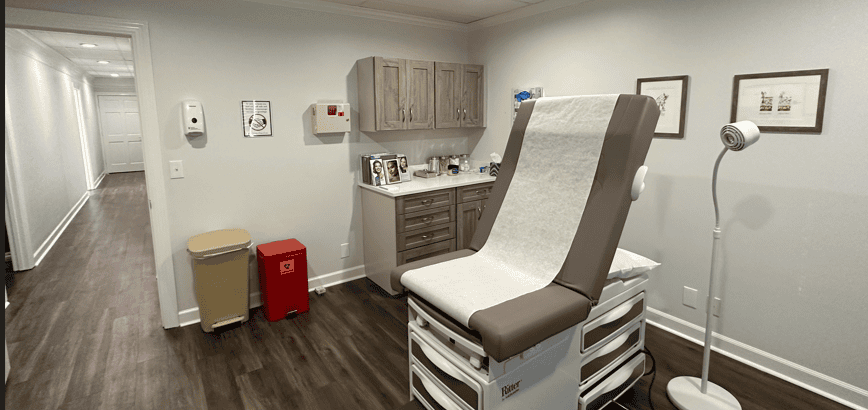
Office-Based Procedures for Diagnosis and Treatment of Skin Conditions
Dermatologic procedures are commonly used to diagnose and treat a variety of skin conditions. Many of these treatments can be safely performed in the dermatology office using local anesthesia. Office-based procedures allow for accurate diagnosis of skin lesions, removal of benign growths, and treatment of certain skin conditions when medications alone are not sufficient.
A skin biopsy involves removing a small sample of skin so that it can be examined under a microscope. Biopsies help confirm the diagnosis of many skin conditions, including rashes, growths, and suspected skin cancers.
Shave Biopsy
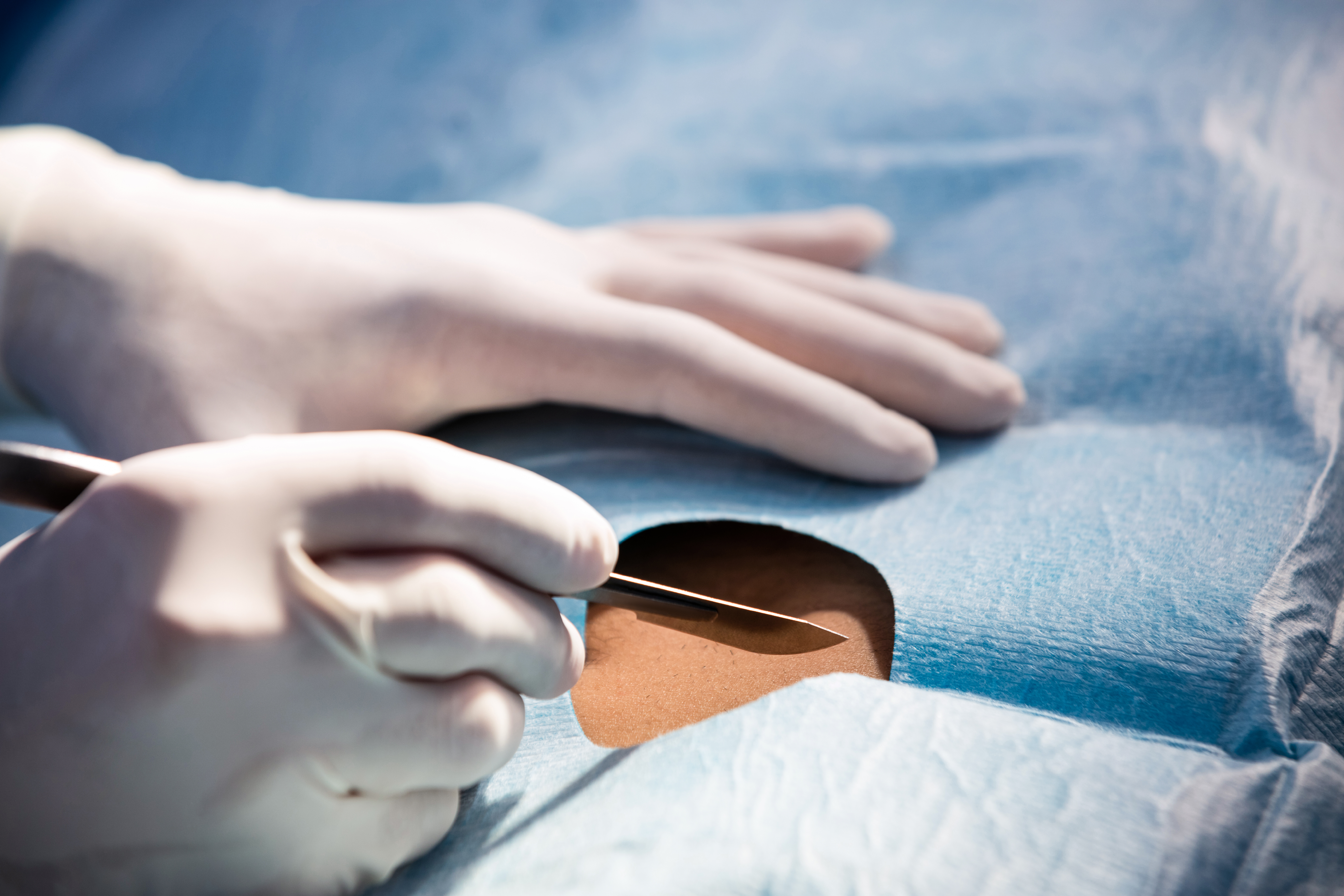
A shave biopsy removes a thin layer of skin from the surface of a lesion. This technique is commonly used to evaluate raised lesions, superficial growths, or certain suspicious moles. Shave biopsies typically heal with routine wound care and often do not require sutures.
Punch Biopsy
A punch biopsy uses a small circular instrument to obtain a deeper sample of skin that includes multiple layers. This technique is commonly used when evaluating rashes, inflammatory skin conditions, or lesions that require deeper tissue for diagnosis.
Surgical Excision
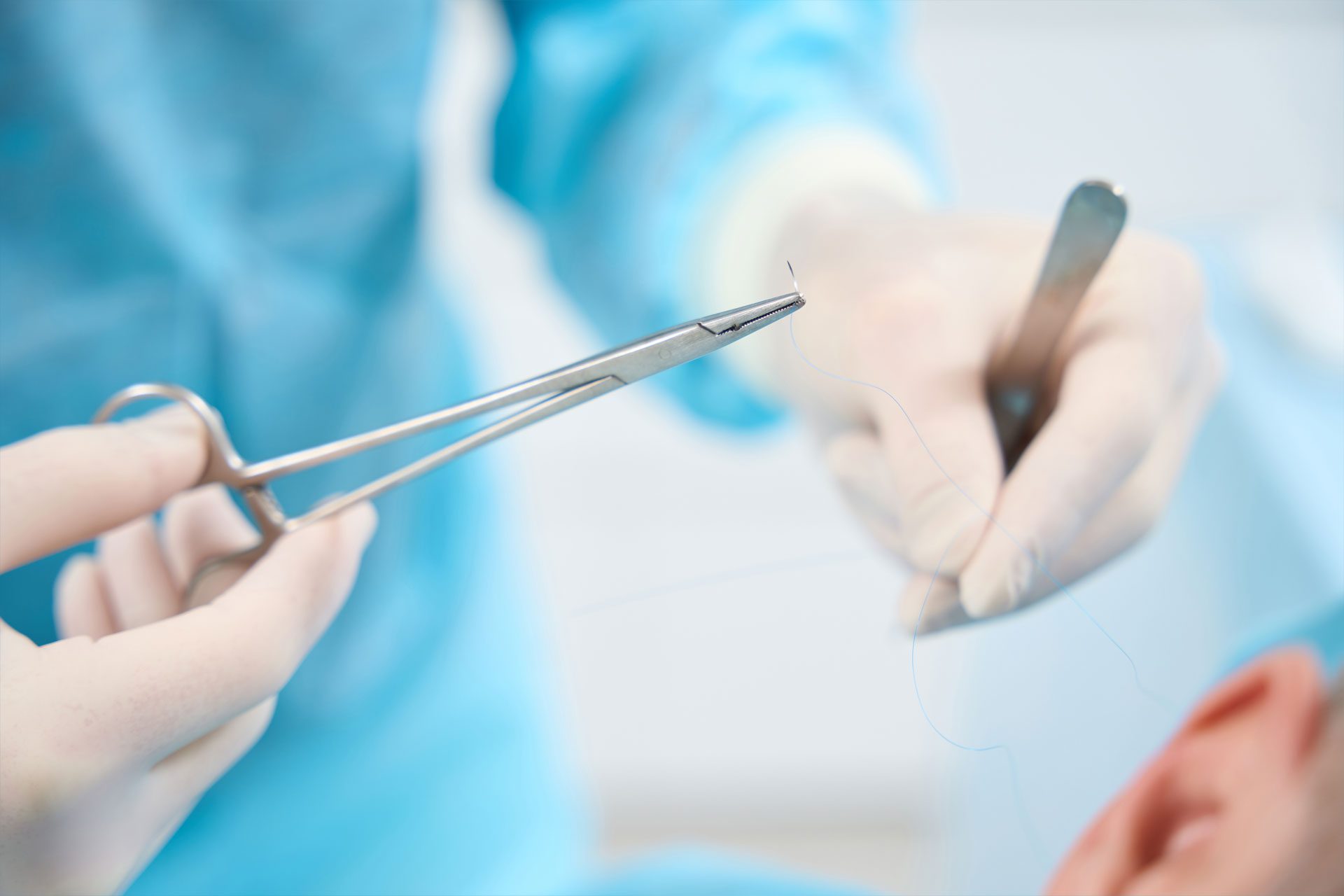
Surgical excision is used to remove certain benign and malignant skin lesions. The lesion is carefully removed along with a small margin of surrounding skin, and the area is repaired with sutures to allow proper healing.
Excision may be performed for conditions such as benign moles, cysts or other benign growths, and skin cancers including basal cell carcinoma and squamous cell carcinoma. Tissue removed during excision is typically sent for microscopic examination when appropriate.
Removal of Benign Skin Growths
Certain benign skin lesions may be removed when they become irritated, symptomatic, or cosmetically bothersome.
Mole Removal
Moles may be removed when they become irritated, change in appearance, or require evaluation to rule out skin cancer.
Cyst Removal
Skin cysts are closed sacs beneath the skin that may gradually enlarge or become inflamed.
Lipoma Removal
Lipomas are benign fatty growths that develop beneath the skin and may slowly enlarge over time.
Skin Tag Removal
Skin tags are common benign growths that often develop in areas where skin rubs together.
Electrocautery Removal of Benign Growths
Electrocautery uses controlled electrical energy to remove certain benign skin growths and to control minor bleeding during procedures.
Treatment of Precancerous Lesions
Cryotherapy for Actinic Keratoses
Cryotherapy uses controlled freezing with liquid nitrogen to destroy precancerous actinic keratoses.
Photodynamic Therapy (PDT)
Photodynamic therapy is a light-activated treatment used to treat areas of sun-damaged skin and multiple actinic keratoses. A topical medication is applied to the skin and later activated with a specialized light source to target precancerous cells.
Treatment of Viral Skin Lesions
Wart Removal
Warts are common viral skin growths that may appear on the hands, feet, or other areas of the skin.
Molluscum Removal
Molluscum contagiosum is a viral infection that causes small smooth bumps on the skin. Removal may be recommended to help clear lesions and prevent spread.
Acne and Inflammatory Lesion Procedures
Acne Surgery
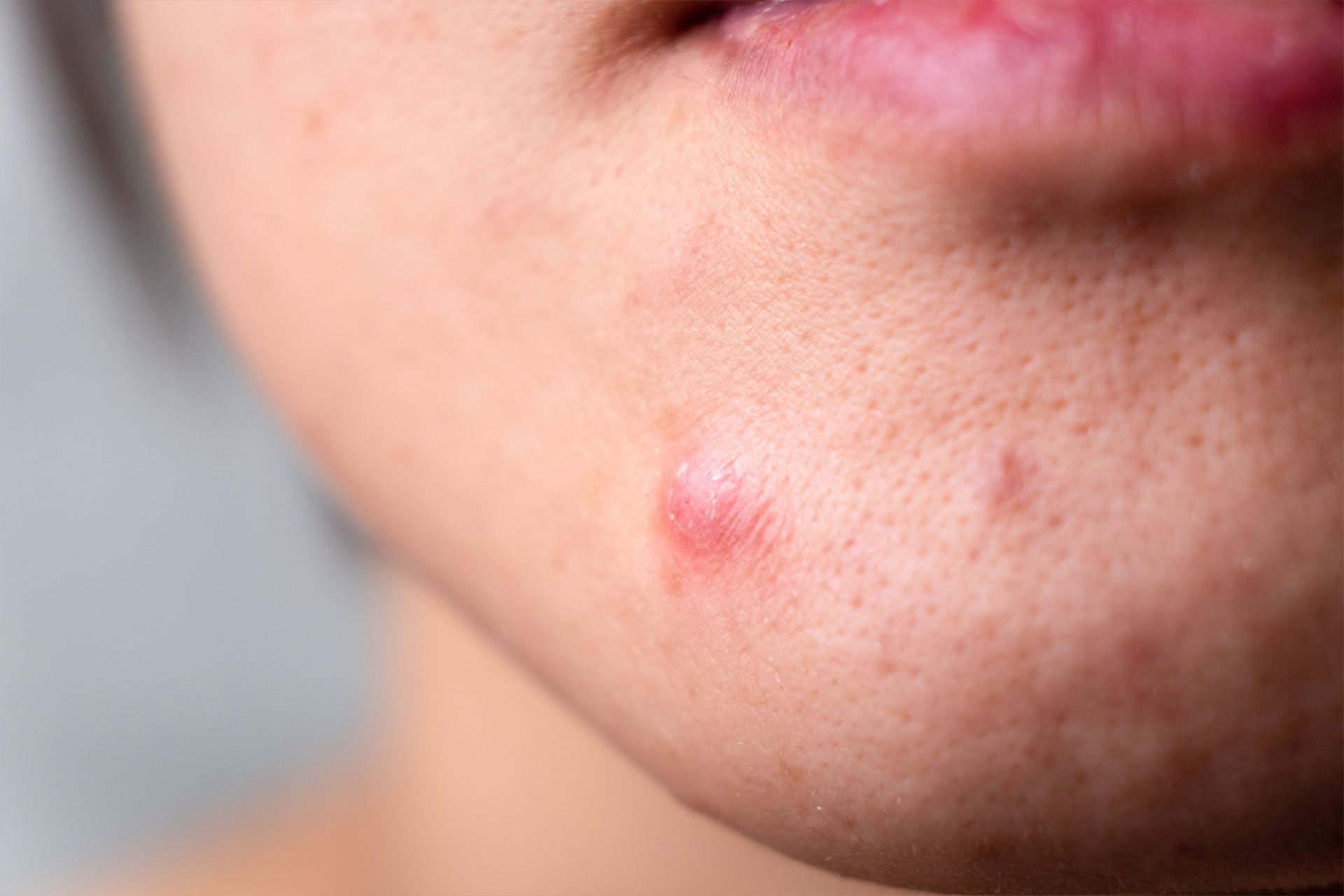
Acne surgery may be used to treat large inflammatory acne lesions or persistent cysts that do not respond to topical or oral medications.
Intralesional Corticosteroid Injection (Kenalog)
Intralesional corticosteroid injections may be used to treat inflamed acne cysts, keloids, and certain inflammatory skin conditions. A small amount of medication is injected directly into the lesion to reduce inflammation.
Local Anesthesia and Patient Comfort
Most dermatologic procedures are performed using local anesthesia to ensure patient comfort. A small amount of anesthetic medication is injected into the treatment area to numb the skin before the procedure begins.
For certain procedures—particularly in children—additional comfort measures may be used. These may include topical anesthetic medications and cooling with ice before the procedure to help reduce sensation at the treatment site.
After the procedure, wound care instructions are provided to support healing and reduce the risk of complications.
When a Dermatologic Procedure May Be Recommended
A dermatologic procedure may be recommended when:
A skin lesion requires diagnostic biopsy
Benign growths become irritated or symptomatic
Precancerous lesions such as actinic keratoses require treatment
Skin cancers require removal
Viral infections such as warts or molluscum persist or spread
Inflamed cysts, acne lesions, or keloids benefit from targeted treatment
Schedule a Dermatology Procedure Consultation
Evaluation of concerning or bothersome skin lesions can help determine whether a dermatologic procedure is appropriate.