Risk-Based Skin Cancer Surveillance / Treatment Plans
Personalized Dermatologic Treatment Plans for Skin Cancer Prevention and Early Detection
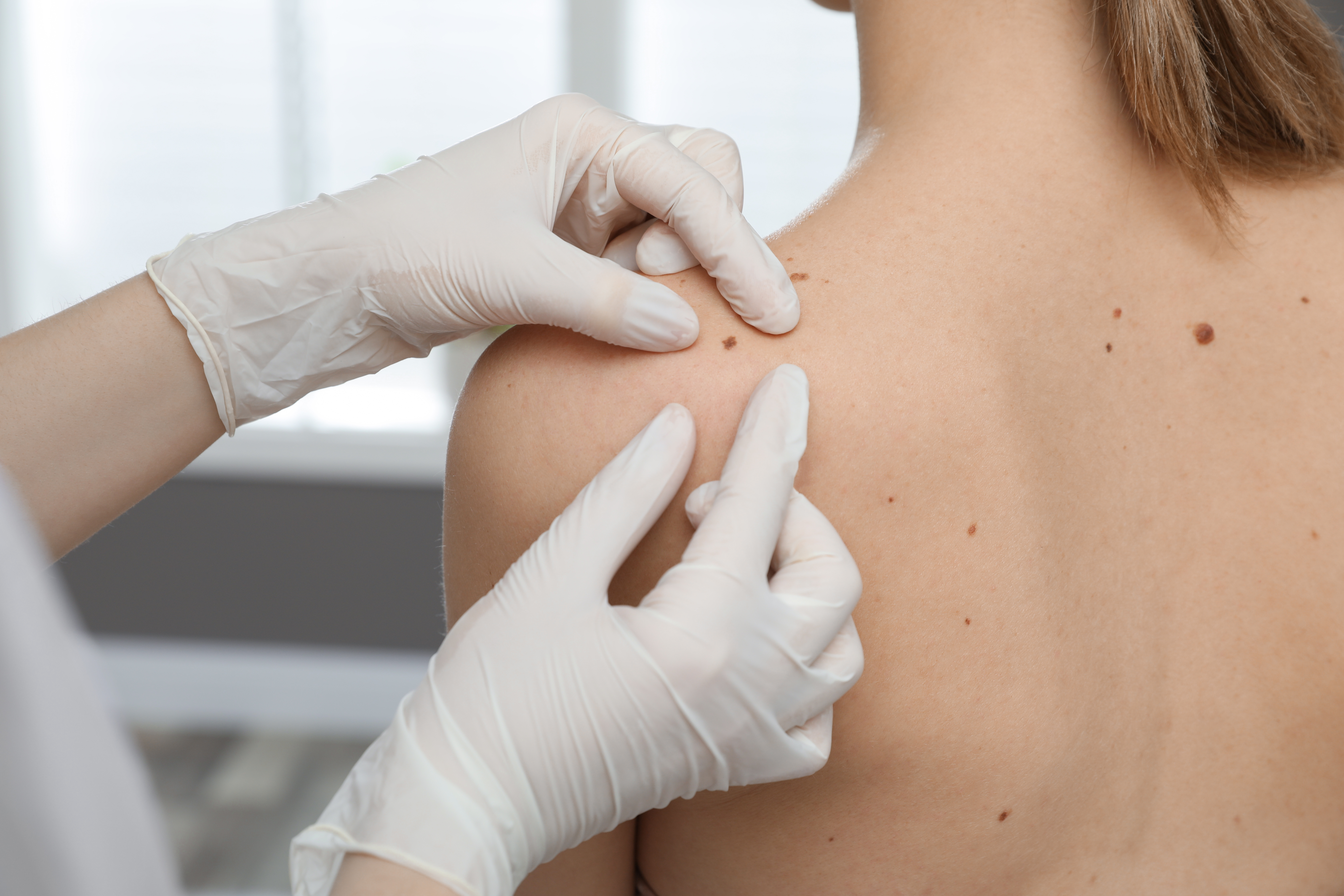
Skin cancer risk varies between individuals based on personal history, skin type, sun exposure, and genetic factors. Risk-based skin cancer surveillance provides a structured, individualized approach to monitoring the skin over time.
Following a comprehensive dermatologic evaluation, patients with specific risk factors may receive a personalized written treatment plan that outlines appropriate follow-up intervals, monitoring strategies, and preventive care.
Risk-based skin cancer surveillance is an approach to dermatologic care that tailors follow-up and monitoring based on an individual’s level of risk for skin cancer.
Rather than using a uniform schedule, surveillance is adjusted based on clinical findings and patient history to support early detection and prevention.
The Individualized Treatment Plan
Written, customized dermatologic treatment plans are provided for patients with conditions that place them at higher risk for skin cancer, including:
Actinic keratoses
History of skin cancer
Dysplastic nevi (atypical moles)
Other atypical lesions, including Spitz nevi
These treatment plans integrate multiple factors, including:
Personal history of skin cancer or precancerous lesions
Family history of melanoma
Skin type, including skin color and tendency to burn
Eye and hair color
Cumulative ultraviolet (UV) exposure
Number and type of moles
Each plan is designed to provide a clear, structured approach to ongoing dermatologic care.
What the Treatment Plan Includes
A personalized treatment plan may include:
Recommended frequency of total body skin examinations
Monitoring of specific moles or lesions
Treatment of precancerous lesions such as actinic keratoses
Consideration of field-directed therapies when appropriate
Guidance on sun protection and skin health
Instructions for self-monitoring between visits
These plans are individualized and may be adjusted over time as the patient’s skin and risk profile change.
Frequency of Follow-Up
Follow-up intervals are determined based on individual risk and clinical findings. In general:
Annual skin examinations are appropriate for many individuals
More frequent follow-up may be recommended for higher-risk patients
Shorter intervals may be used when monitoring specific lesions
The American Academy of Dermatology supports routine skin examinations as part of early detection, with frequency tailored to patient risk.
Monitoring of Moles and Skin Lesions
Certain moles or lesions may be identified for closer observation.
Monitoring may include:
Clinical documentation of specific lesions
Comparison over time to assess for change
Dermoscopic evaluation when appropriate
If a lesion changes or develops concerning features, further evaluation or biopsy may be recommended.
Management of Precancerous Lesions
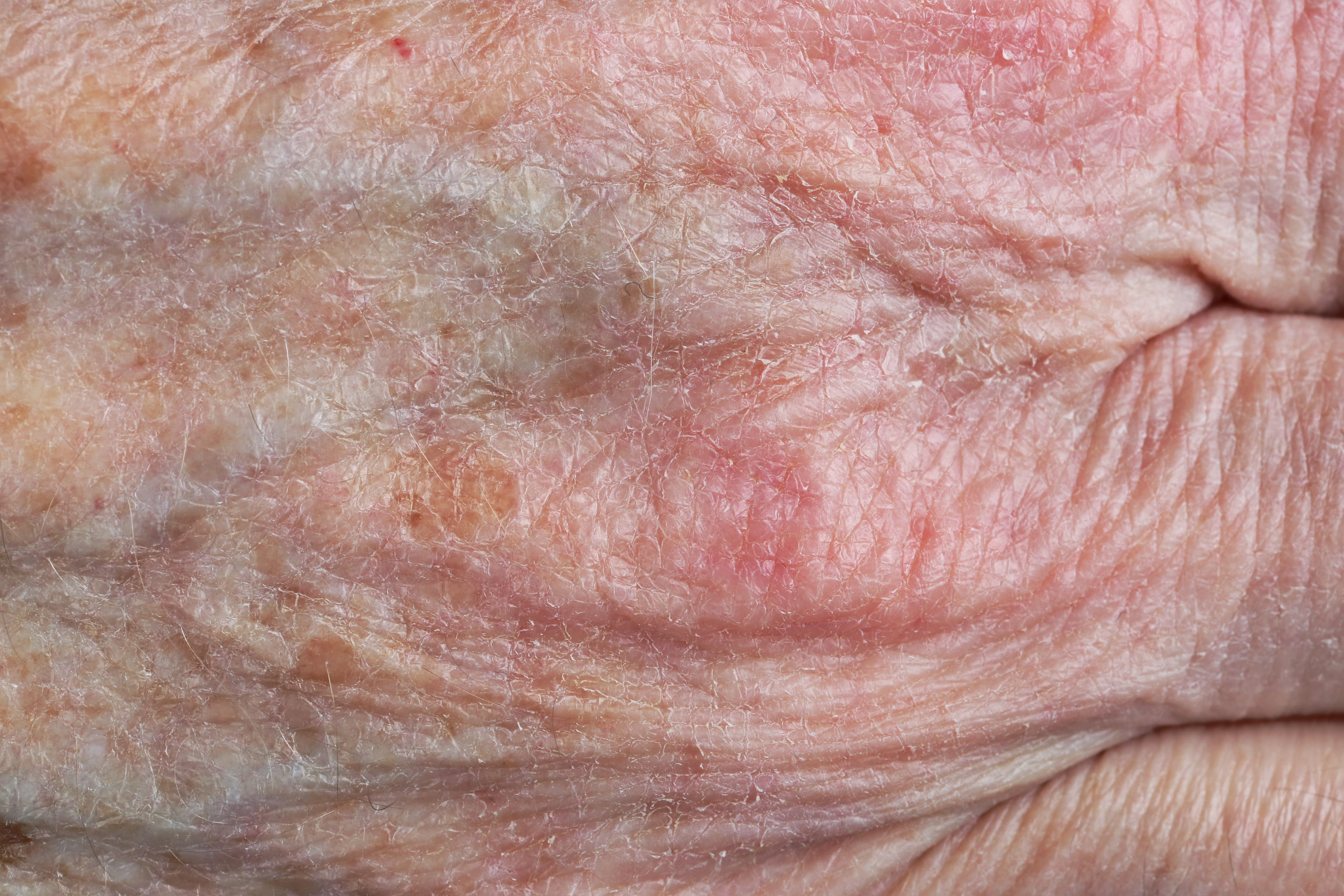
Actinic keratoses and areas of sun damage are often incorporated into treatment plans.
Management may include:
Treatment of visible actinic keratoses
Field-directed therapies such as photodynamic therapy (PDT)
Ongoing monitoring of sun-damaged skin
Treatment of precancerous lesions plays an important role in reducing the risk of progression to squamous cell carcinoma.
The Role of Field Cancerization
In patients with chronic sun damage, large areas of skin may contain subclinical precancerous changes.
This concept, known as field cancerization, means that:
Visible lesions represent only part of the overall damage
Surrounding skin may also require treatment
New lesions may continue to develop over time
Treatment plans often incorporate both lesion-directed and field-directed approaches.
Patient Involvement and Self-Monitoring
Patients play an important role in ongoing skin surveillance.
Recommendations may include:
Monitoring for new or changing moles
Identifying lesions that bleed, itch, or do not heal
Reporting concerning changes between visits
Education helps patients become more familiar with their skin and recognize early warning signs.
Long-Term Skin Health and Prevention
Risk-based surveillance is designed not only for detection but also for prevention.
Preventive strategies include:
Consistent use of sunscreen
Protective clothing and sun avoidance when appropriate
Avoidance of tanning beds
Routine dermatologic follow-up
Why Risk-Based Surveillance Matters
A structured, individualized approach to skin cancer surveillance allows for:
Earlier detection of skin cancer
Targeted monitoring of higher-risk patients
Appropriate treatment of precancerous lesions
Improved long-term skin health outcomes
Schedule a Skin Examination
A comprehensive dermatologic evaluation is the first step in determining whether a personalized treatment plan is appropriate.