Early Detection Through aComplete Dermatologic Skin Evaluation
Melanoma is a form of skin cancer that develops from pigment-producing cells known as melanocytes. Although less common than other skin cancers, melanoma is more likely to grow and spread if not detected early. Early diagnosis through dermatologic evaluation plays a critical role in effective treatment and improved outcomes.
Skin cancer is the most common form of cancer in the United States. Many skin cancers, including melanoma, basal cell carcinoma, and squamous cell carcinoma, can develop without noticeable symptoms in early stages.
Routine skin examinations allow for:
Early detection of skin cancer
Identification of precancerous lesions
Monitoring of moles and other skin growths
Evaluation of changes that may not be visible to patients
The American Academy of Dermatology recommends annual skin examinations, particularly for individuals with risk factors for skin cancer, as part of routine dermatologic care and early detection.
Who Should Have a Skin Examination
Skin examinations are recommended for all individuals, including children, adolescents, and adults.
More frequent examinations may be appropriate for those with:
Personal history of skin cancer
History of actinic keratoses
Dysplastic nevi (atypical moles)
Family history of melanoma
Fair skin or significant sun exposure
What to Expect During a Skin Examination
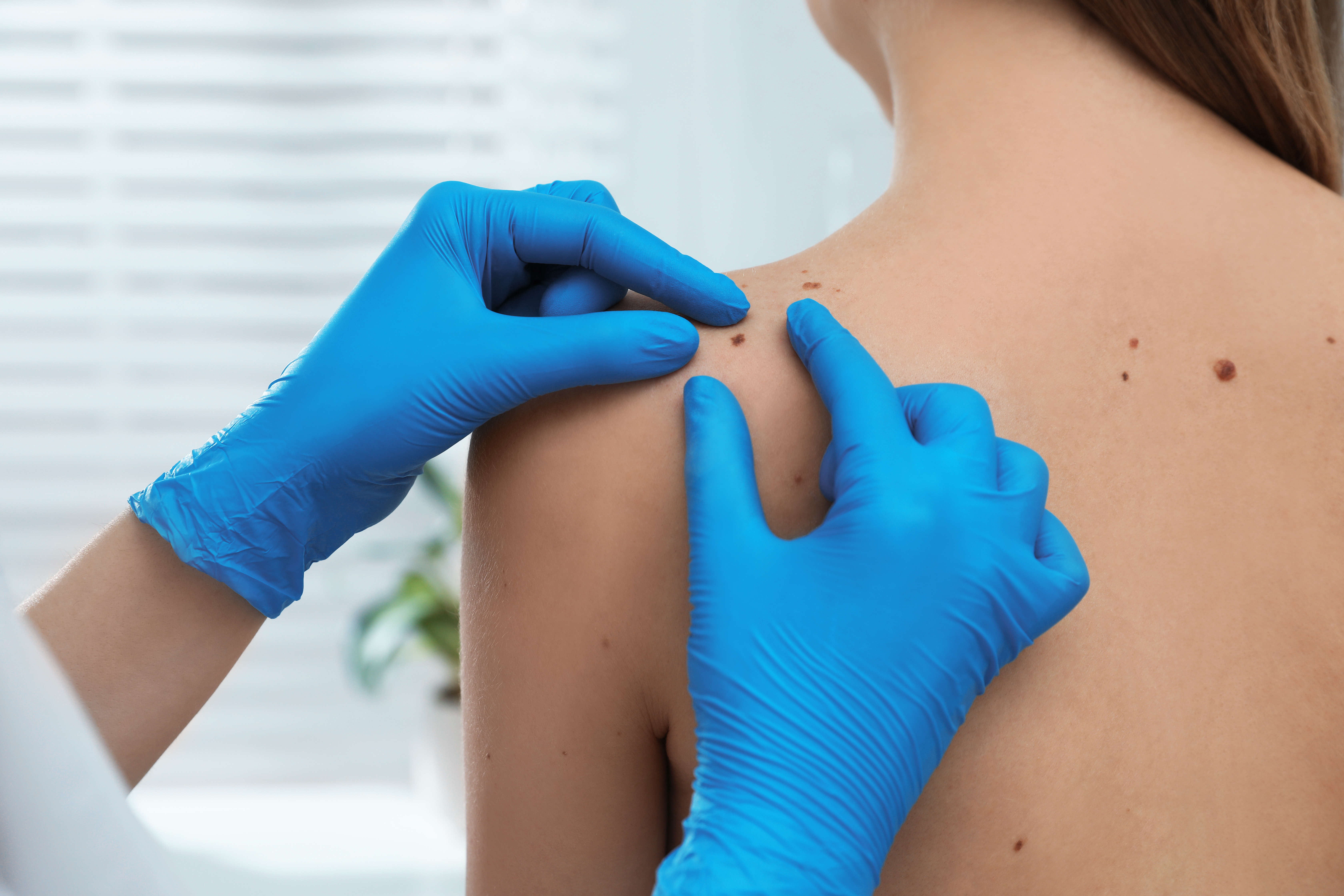
A comprehensive total body skin examination is a structured and efficient process designed to carefully evaluate the skin while maintaining patient comfort and privacy.
History Medical
The visit begins with a brief discussion of:
Personal and family history of skin cancer
History of sun exposure or sunburns
Any new, changing, or concerning lesions
Complete Skin Evaluation
A head-to-toe examination of the skin is performed, including:
Scalp
Face and ears
Neck and chest
Arms and hands
Abdomen and back
Legs and feet
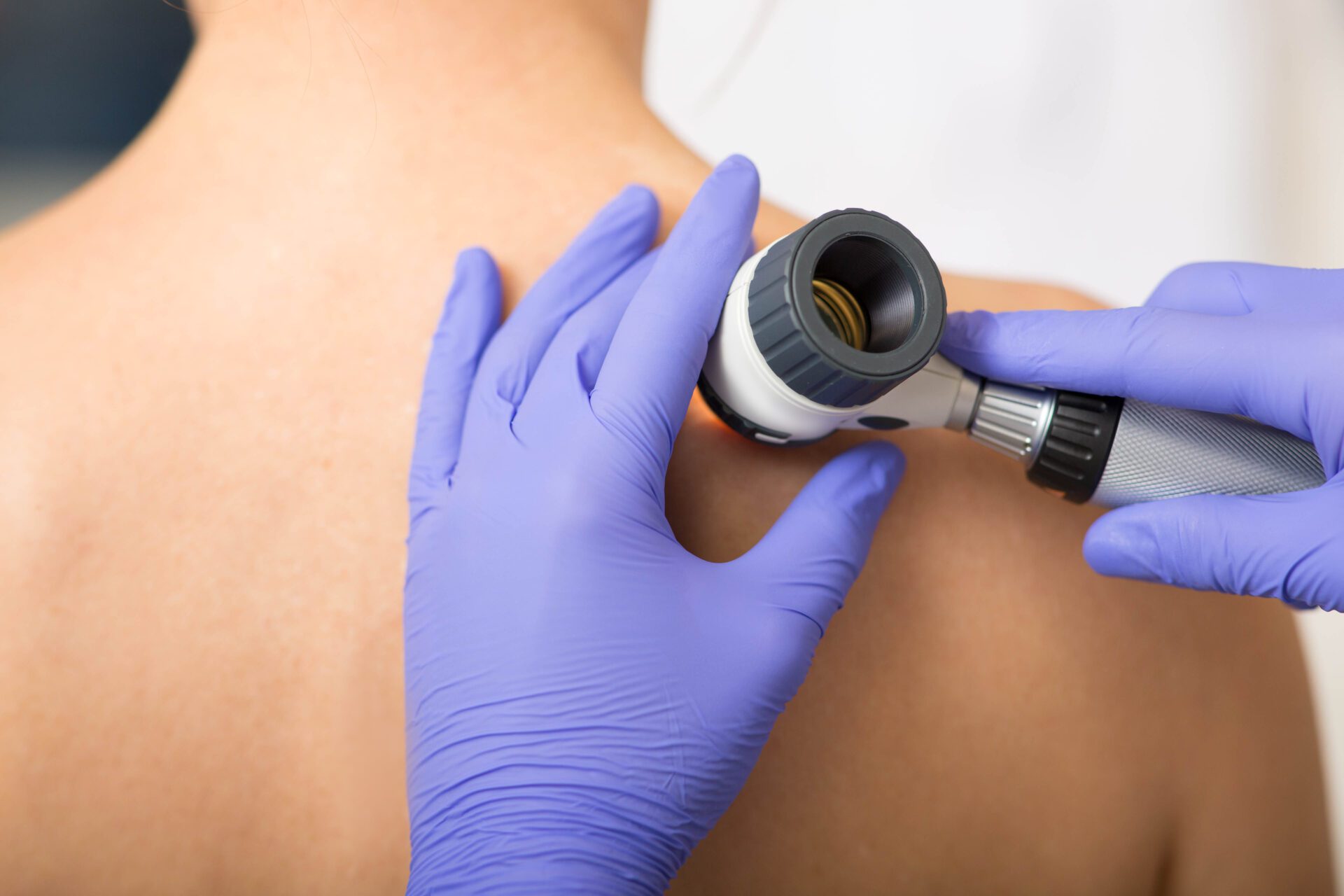
Dermoscopic Evaluation
When needed, dermoscopy is used to examine specific moles or lesions more closely.
Biopsy When Indicated
If a lesion appears suspicious, a biopsy may be recommended.
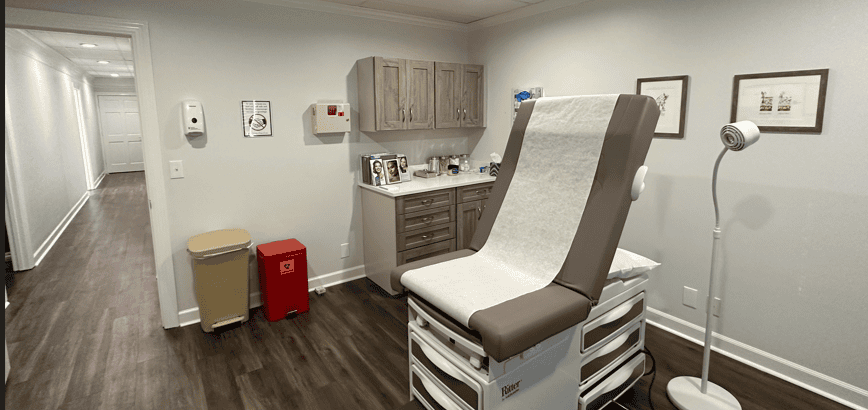
Addressing Patient Comfort and Privacy
Patients may expect:
Clear explanation of each step
Use of gowns and draping
Professional and efficient exam
Opportunity to ask questions
What Happens After the Examination
Findings are reviewed
Concerning lesions discussed
Recommendations provided
Follow-up intervals determined
Frequency of Skin Examinations
Annual examinations are appropriate for many individuals
More frequent visits for higher-risk patients
Skin Self-Examination
Check for new or changing moles
Note lesions that bleed or do not heal
Prevention and Skin Health
Daily sunscreen
Protective clothing
Avoid tanning beds
Schedule a Skin Examination
Routine dermatologic skin examinations are an important part of maintaining skin health and detecting skin cancer early.