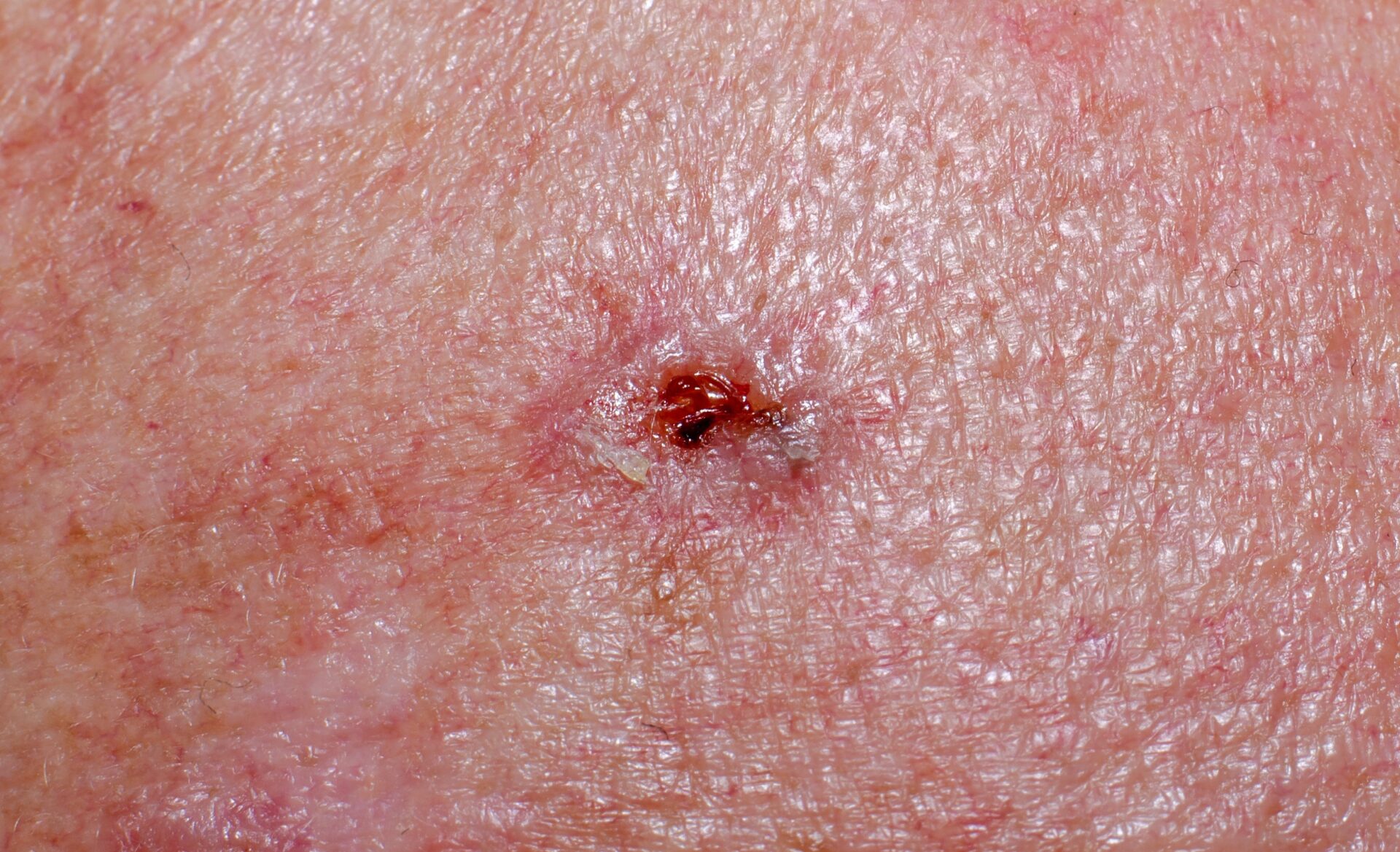
Diagnosis and Treatment of Squamous Cell Carcinoma
Squamous cell carcinoma (SCC) is a common form of skin cancer that develops from cells in the outer layers of the skin. It is often associated with cumulative sun exposure and may arise from precancerous lesions known as actinic keratoses. Early detection and treatment are important to prevent progression and reduce the risk of spread.
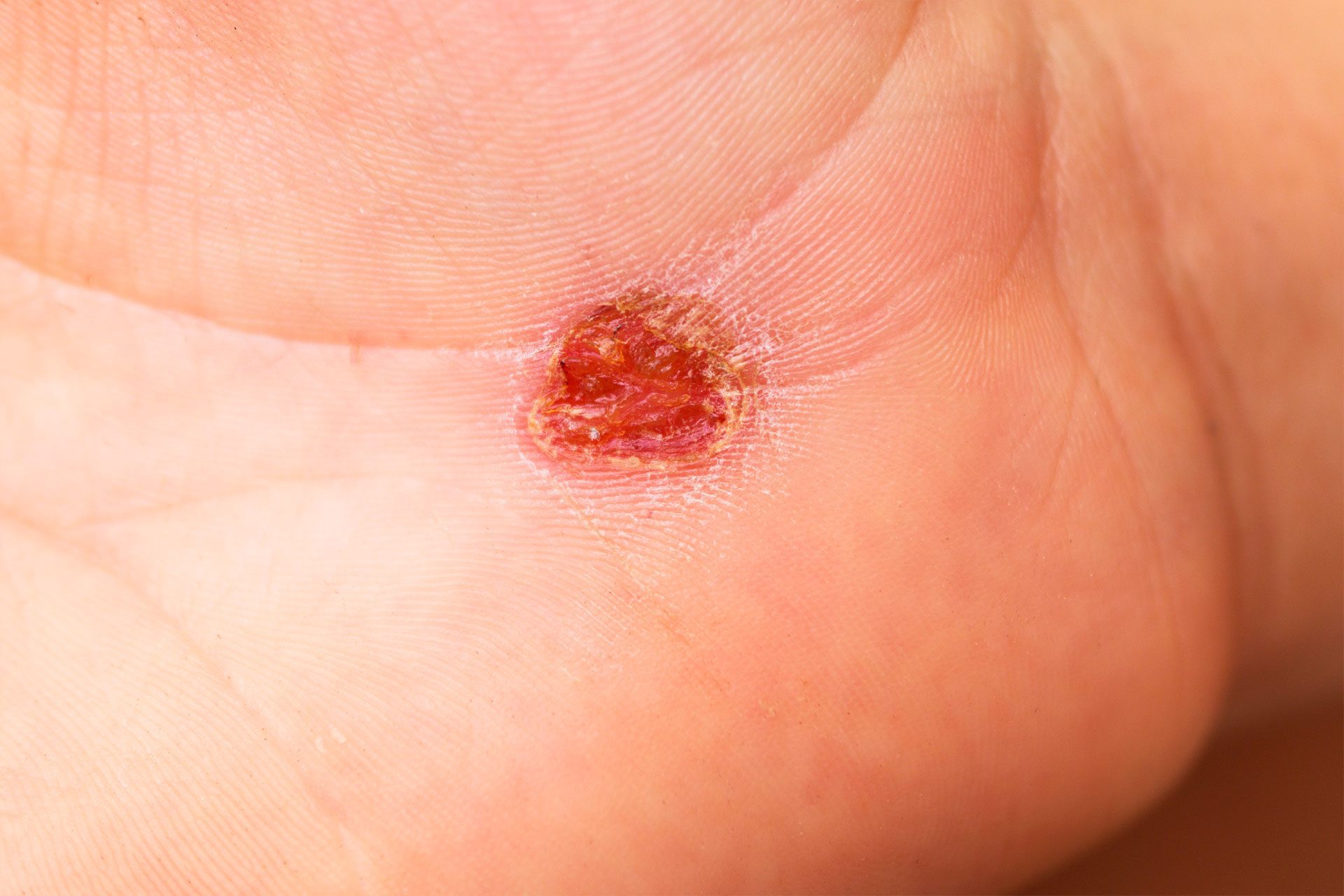
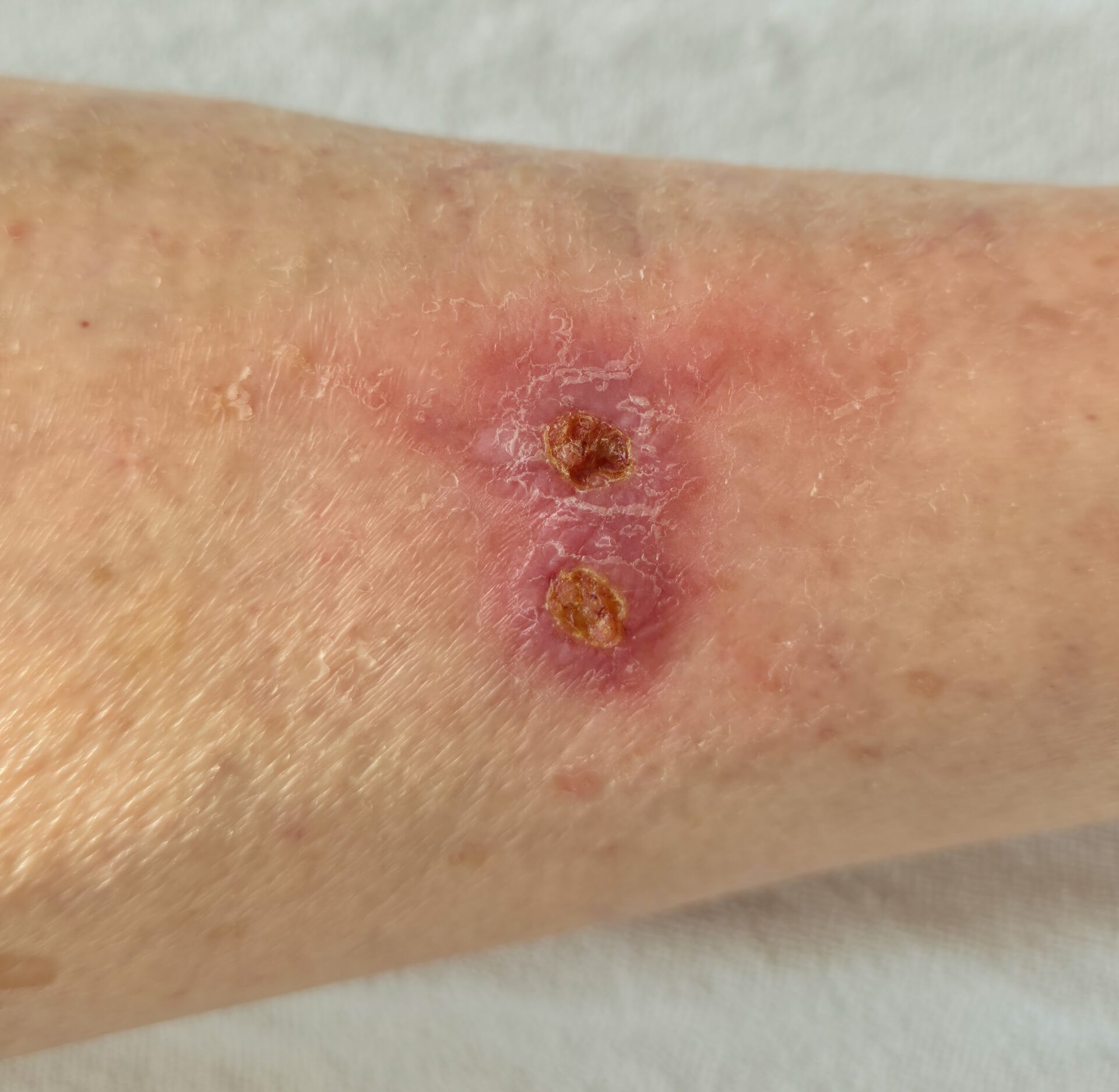
Squamous cell carcinoma typically develops on sun-exposed areas of the skin, including the face, ears, scalp, lips, and hands. It may appear as a persistent growth or a lesion that does not heal.
In some cases, SCC develops from areas of chronic sun damage or from existing actinic keratoses.
Common Signs of Squamous Cell Carcinoma
Squamous cell carcinoma may present with a range of clinical features, including:
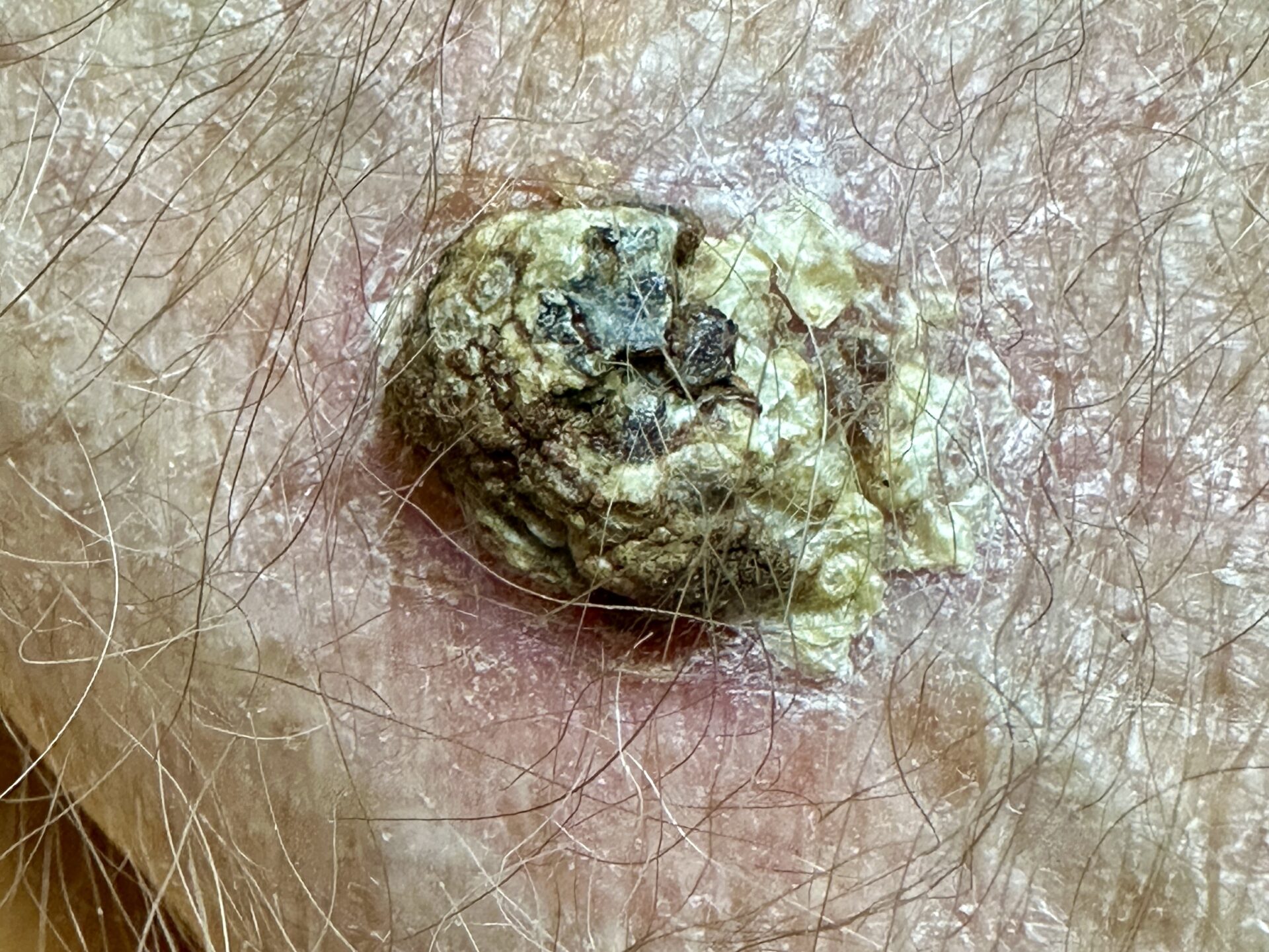
A firm, red nodule
A scaly or crusted patch
A lesion that grows over time
A sore that does not heal or heals and recurs
A tender or painful skin lesion
Any persistent, growing, or non-healing lesion should be evaluated.
Risk Factors for Squamous Cell Carcinoma
Factors that may increase the risk of SCC include:
Cumulative sun exposure
History of actinic keratoses
Fair skin, light hair, or light eye color
History of sunburns
Increasing age
Weakened immune system
Personal history of skin cancer
Individuals with these risk factors may benefit from regular dermatologic skin examinations.
Diagnosis of Squamous Cell Carcinoma
Squamous cell carcinoma is diagnosed through dermatologic evaluation.
Dermatologic Examination
A comprehensive skin examination includes evaluation of suspicious lesions and areas of sun damage. Dermoscopy may be used to assess specific features of a lesion.
Skin Biopsy
If a lesion appears suspicious, a biopsy is performed to confirm the diagnosis. The tissue is examined microscopically to determine the type and characteristics of the tumor.
Treatment of Squamous Cell Carcinoma
Treatment depends on the size, location, and characteristics of the tumor, as well as individual patient factors.
Surgical Excision
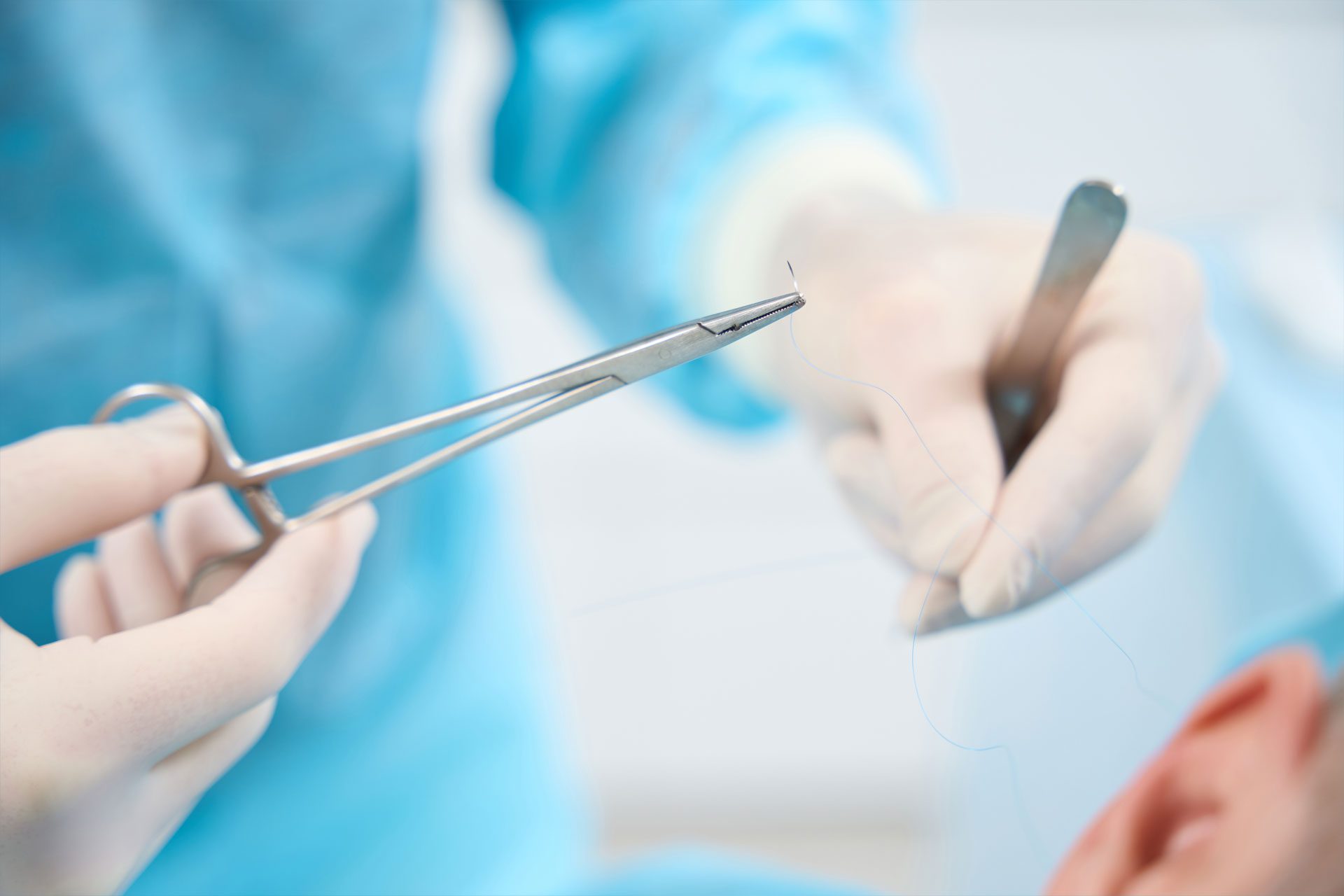
Surgical excision involves removal of the tumor along with a margin of surrounding skin to ensure complete removal. This is a commonly used and effective treatment for many SCCs.
Mohs Micrographic Surgery
Mohs surgery may be recommended for SCCs located in cosmetically sensitive areas or those with higher risk features. This technique allows for precise removal of cancerous tissue while preserving healthy skin.
Electrodesiccation and Curettage (ED&C)
Electrodesiccation and curettage may be used for select low-risk lesions. The tumor is removed and treated with controlled electrical energy to destroy remaining abnormal cells.
Treatment of Precancerous Lesions
Because SCC may arise from actinic keratoses, treatment of precancerous lesions is an important part of prevention. Options may include cryotherapy or photodynamic therapy (PDT).
Follow-Up and Surveillance
After treatment, regular dermatologic follow-up is important.
Follow-up care may include:
Routine total body skin examinations
Monitoring for recurrence
Evaluation of new or changing lesions
Patients with a history of SCC are at increased risk for additional skin cancers.
Prevention and Early Detection
Preventive measures and early detection are important in reducing the risk of SCC.
Recommendations include:
Regular skin examinations
Daily use of sunscreen and sun protection
Treatment of actinic keratoses
Avoidance of excessive ultraviolet (UV) exposure
When to Seek Evaluation
Evaluation is recommended for:
A scaly or crusted lesion that persists
A sore that does not heal
A rapidly growing skin lesion
A tender or painful growth
Any changing or unusual skin lesion
Schedule a Skin Examination
Early detection and treatment of squamous cell carcinoma help prevent progression and reduce the risk of complications.