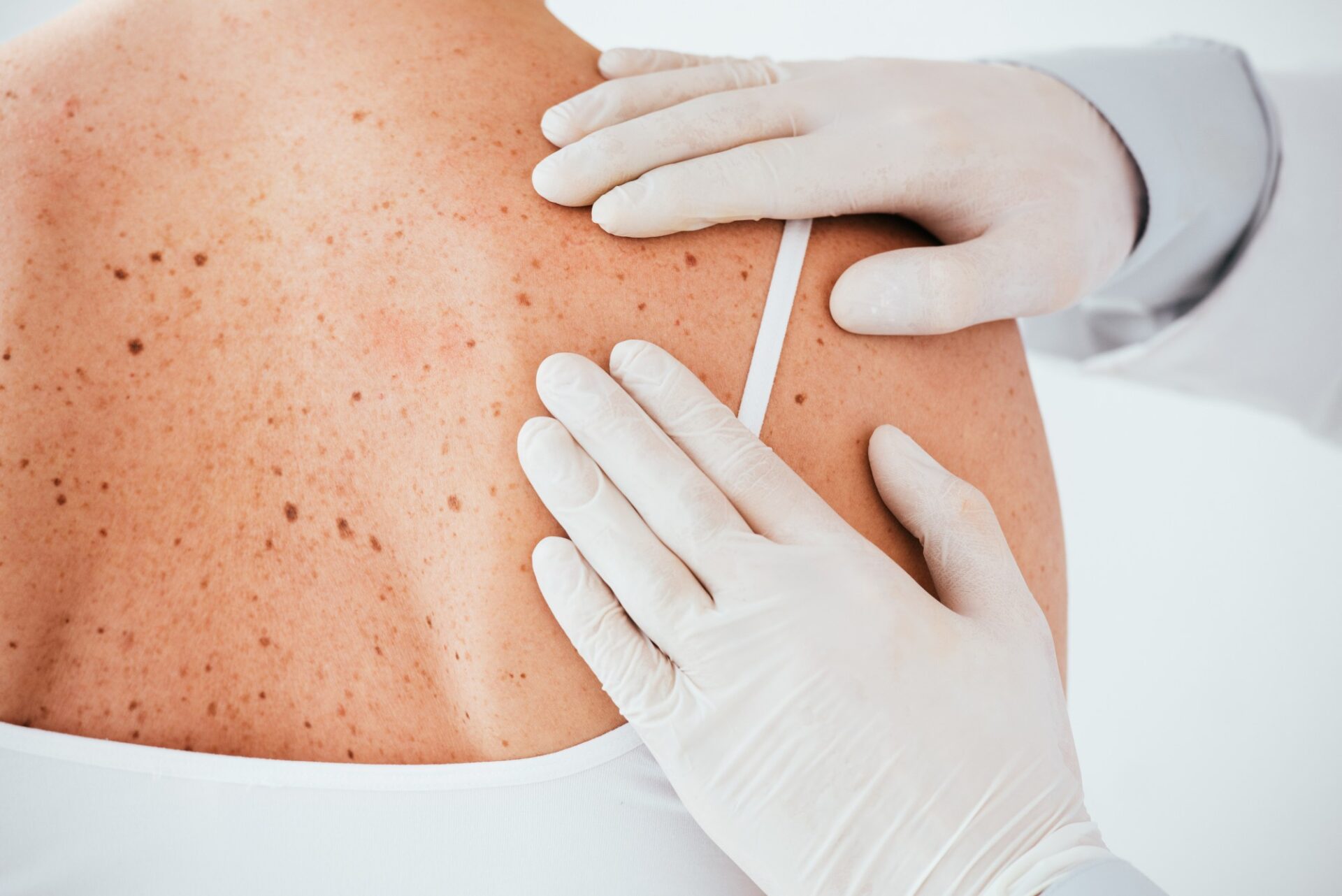
Melanoma is a form of skin cancer that develops from pigment-producing cells known as melanocytes. Although less common than other skin cancers, melanoma is more likely to grow and spread if not detected early. Early diagnosis through dermatologic evaluation plays a critical role in effective treatment and improved outcomes.
Melanoma most commonly develops in existing moles or as new pigmented lesions on the skin. It may occur anywhere on the body, including areas not routinely exposed to the sun.
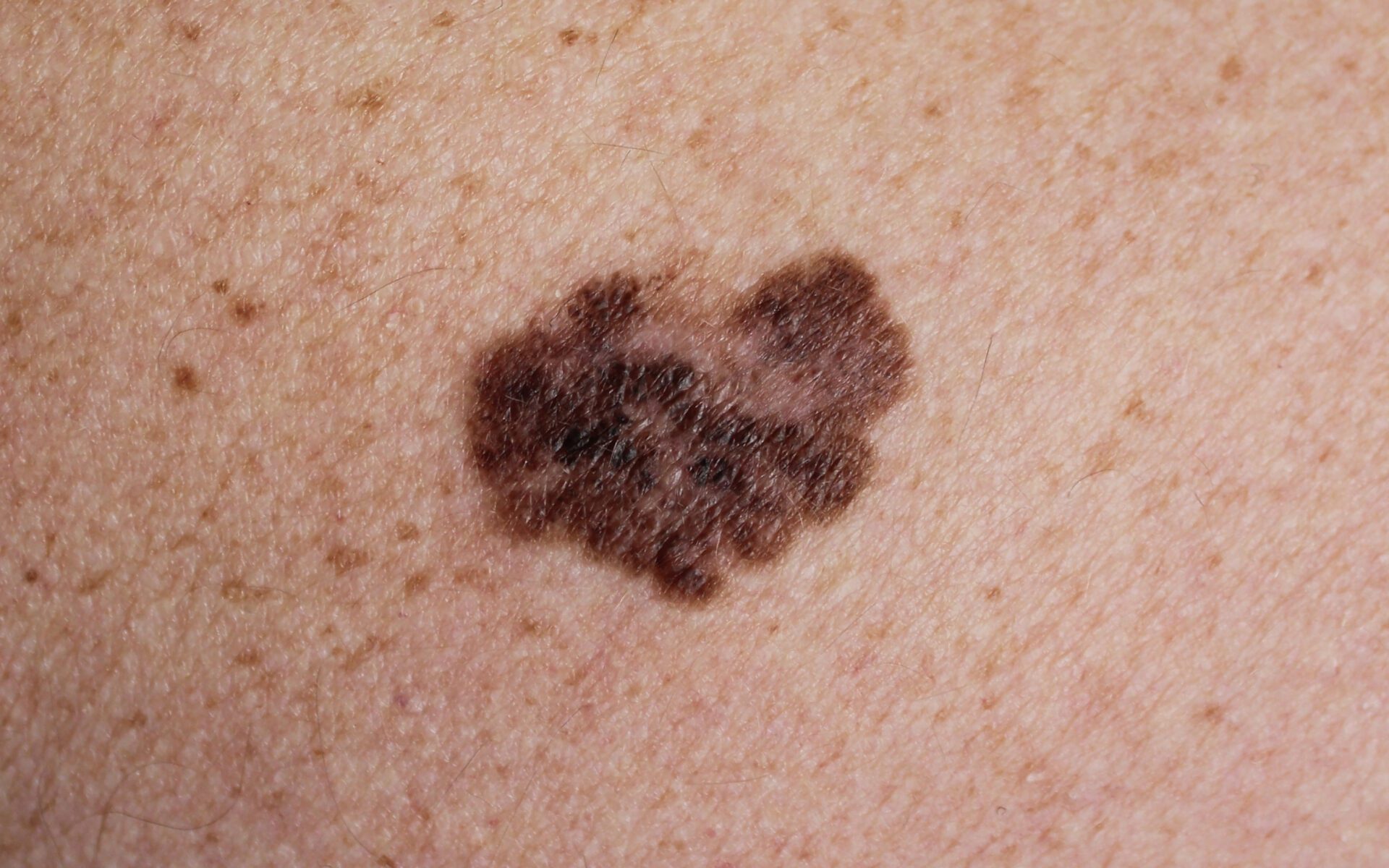
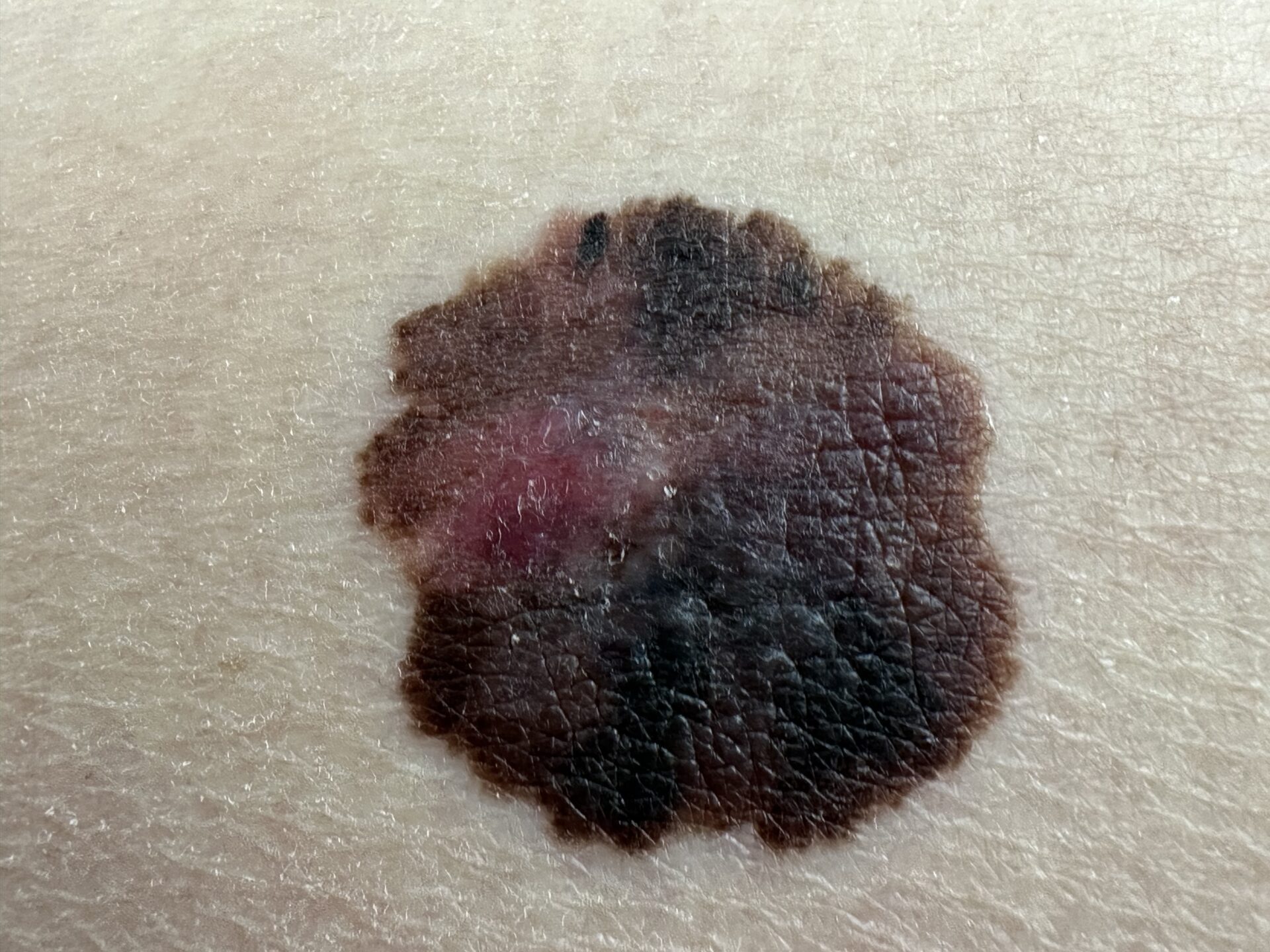
Melanoma may appear as a changing mole or a new lesion with irregular features. Because early melanoma can resemble benign moles, careful dermatologic evaluation is important.
Signs of Melanoma: The ABCDEs
Melanoma is often identified by specific changes in the appearance of a mole or skin lesion. The ABCDE criteria are commonly used to evaluate concerning features:
A
Asymmetry
One half of the lesion does not match the other
B
Border
Irregular, scalloped, or poorly defined edges
C
Color
Variation in color, including shades of brown, black, or other colors
D
Diameter
Typically greater than 6 mm, although smaller lesions may also be melanoma
E
Evolving
Any change in size, shape, color, or symptoms such as itching or bleeding
Any lesion that appears different from others or is changing over time should be evaluated.
Risk Factors for Melanoma
Certain factors may increase the risk of developing melanoma, including:
Fair skin or light hair and eye color
History of blistering sunburns
Excessive ultraviolet (UV) exposure
Family history of melanoma
Personal history of skin cancer
Numerous or atypical moles (dysplastic nevi)
Individuals with these risk factors may benefit from regular dermatologic skin examinations.
Diagnosis of Melanoma
Melanoma is diagnosed through careful dermatologic evaluation.
Dermatologic Examination
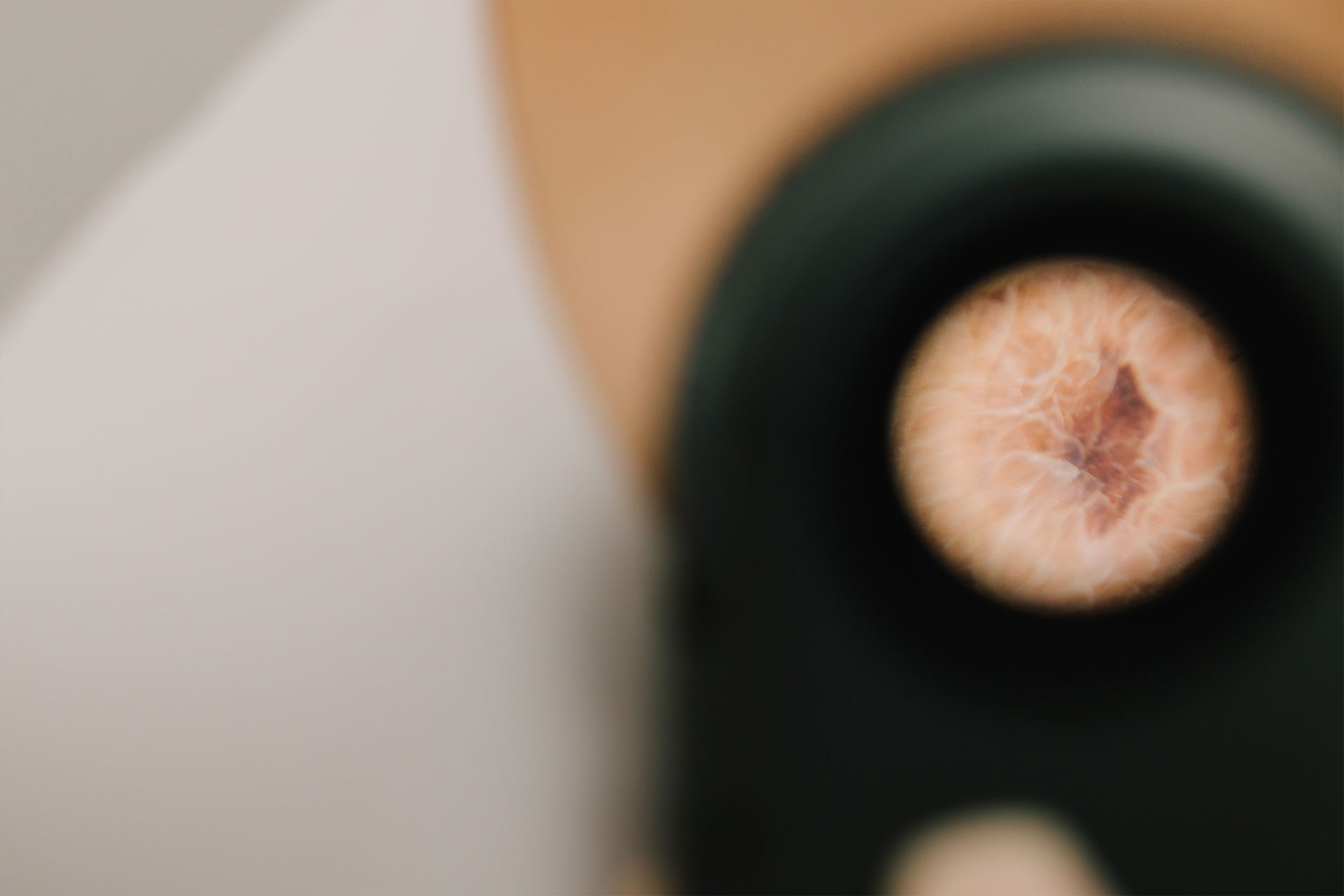
A comprehensive skin examination includes evaluation of moles and pigmented lesions across the entire body. Dermoscopy may be used to assess specific features of a lesion that are not visible to the naked eye.
Skin Biopsy
If a lesion appears suspicious, a biopsy is performed to obtain a sample for microscopic examination. This allows for confirmation of the diagnosis and evaluation of features such as depth and extent of the lesion.
Staging & Evaluation
If melanoma is diagnosed, additional information from the biopsy helps determine the stage of the tumor. Factors such as the depth of the melanoma and presence of certain cellular features guide treatment planning.
In some cases, additional evaluation may be recommended depending on the characteristics of the melanoma.
Treatment of Melanoma
Treatment depends on the stage and characteristics of the melanoma.
Surgical Excision
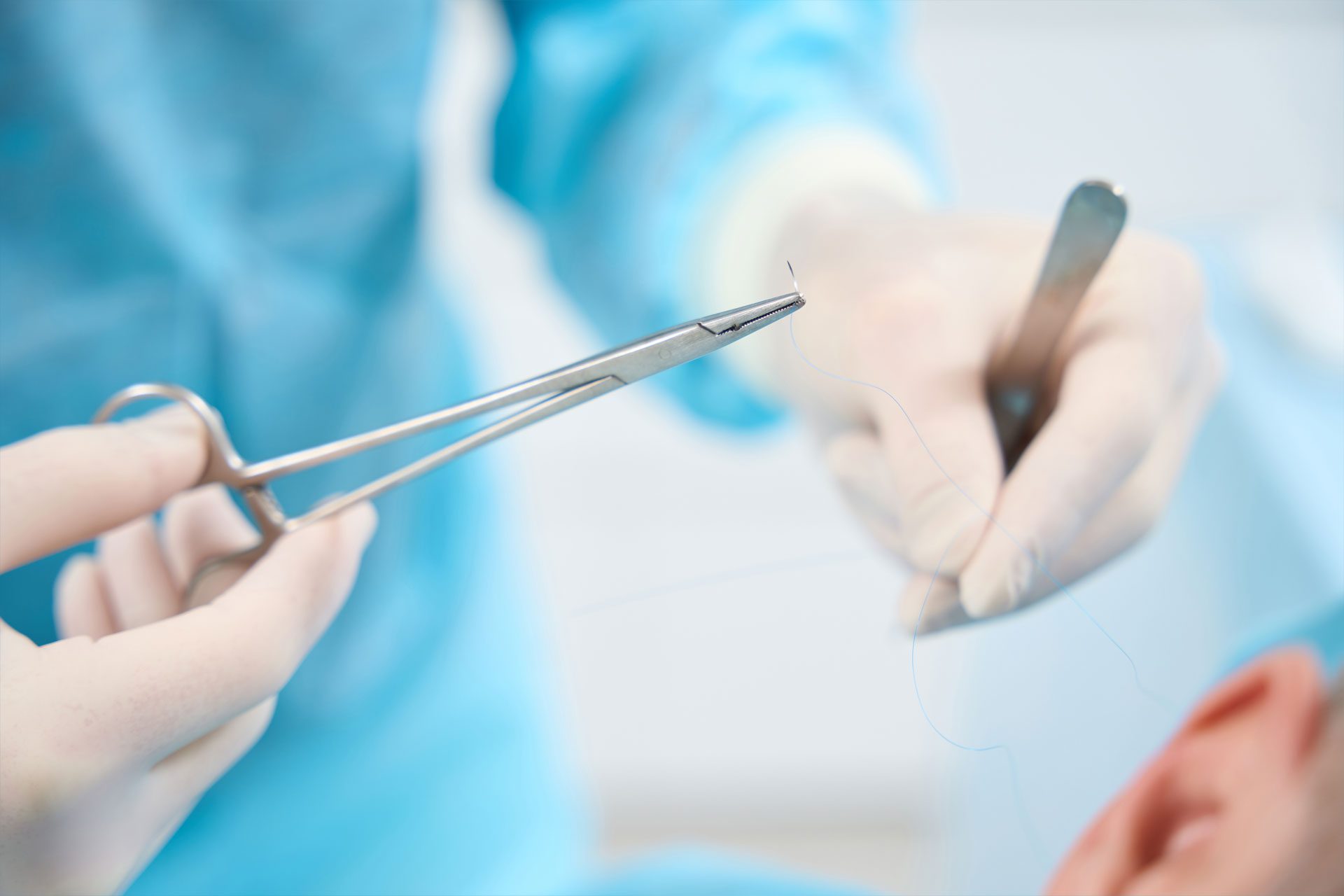
Surgical excision is the primary treatment for melanoma. The lesion is removed along with a margin of surrounding skin to ensure complete removal.
Additional Treatment
For more advanced melanomas, additional treatments may be recommended in coordination with oncology specialists. These may include systemic therapies or other treatments depending on the stage of disease.
Follow-Up and Surveillance
After treatment, ongoing dermatologic surveillance is important.
Follow-up care may include:
Regular total body skin examinations
Monitoring for new or changing lesions
Patient education on self-examination
Individuals with a history of melanoma have an increased risk of developing additional melanomas and benefit from continued monitoring.
Prevention and Early Detection
Early detection remains the most important factor in successful treatment of melanoma.
Preventive measures include:
Routine skin examinations
Sun protection, including sunscreen and protective clothing
Avoidance of excessive UV exposure
Monitoring moles for changes over time
When to Seek Evaluation
Evaluation is recommended for:
A new or changing mole
A lesion that looks different from others (“ugly duckling”)
A mole that itches, bleeds, or does not heal
Any lesion with ABCDE features
Schedule a Skin Examination
Early detection of melanoma significantly improves treatment outcomes.