Expert Care for Infant, Child, and Adolescent Skin Conditions
Skin conditions are common in infants, children, and adolescents and often differ from those seen in adults. Pediatric dermatology focuses on the evaluation and treatment of skin, hair, and nail conditions that occur during childhood. Careful examination and early treatment help relieve symptoms, support healthy skin development, and address conditions that may affect a child’s comfort or quality of life.
A wide range of skin conditions can occur during childhood. Many pediatric dermatologic conditions are temporary and improve with treatment, while others may require ongoing care and monitoring.
Inflammatory skin conditions are among the most common reasons children are evaluated for dermatologic care. These conditions may cause itching, redness, dry skin, or irritation.
Atopic Dermatitis
Atopic dermatitis is a common form of eczema that often begins in infancy or early childhood. It may cause dry, itchy, inflamed skin and commonly affects the cheeks, arms, legs, or body.
Contact Dermatitis
Contact dermatitis occurs when the skin reacts to a substance that causes irritation or an allergic response. In children, this may occur from exposure to soaps, fragrances, metals, plants, or topical products.
Seborrheic Dermatitis
Seborrheic dermatitis commonly affects infants and young children and may appear as flaking or scaling of the scalp, often referred to as cradle cap. It may also affect areas around the eyebrows, ears, or face.
Lichen Striatus
Lichen striatus is an uncommon childhood rash that appears as a line of small bumps along the skin. The condition is usually temporary and often resolves gradually over time.
Birthmarks and Pigmented Lesions
Many children develop birthmarks or pigmented skin lesions early in life. Most are harmless, but some may benefit from monitoring over time.
Infantile Hemangiomas
Infantile hemangiomas are common vascular birthmarks that typically appear during the first weeks of life. These growths often enlarge during early infancy before gradually improving over time.
Congenital Nevi
Congenital nevi are moles present at birth or appearing shortly after. These lesions may vary in size and appearance and are typically monitored as a child grows.
Café-au-Lait Spots
Café-au-lait spots are light brown patches that may appear on the skin during childhood. These spots are usually benign but may occasionally require evaluation depending on their number and size.
Pediatric and Adolescent Skin Conditions
Acne
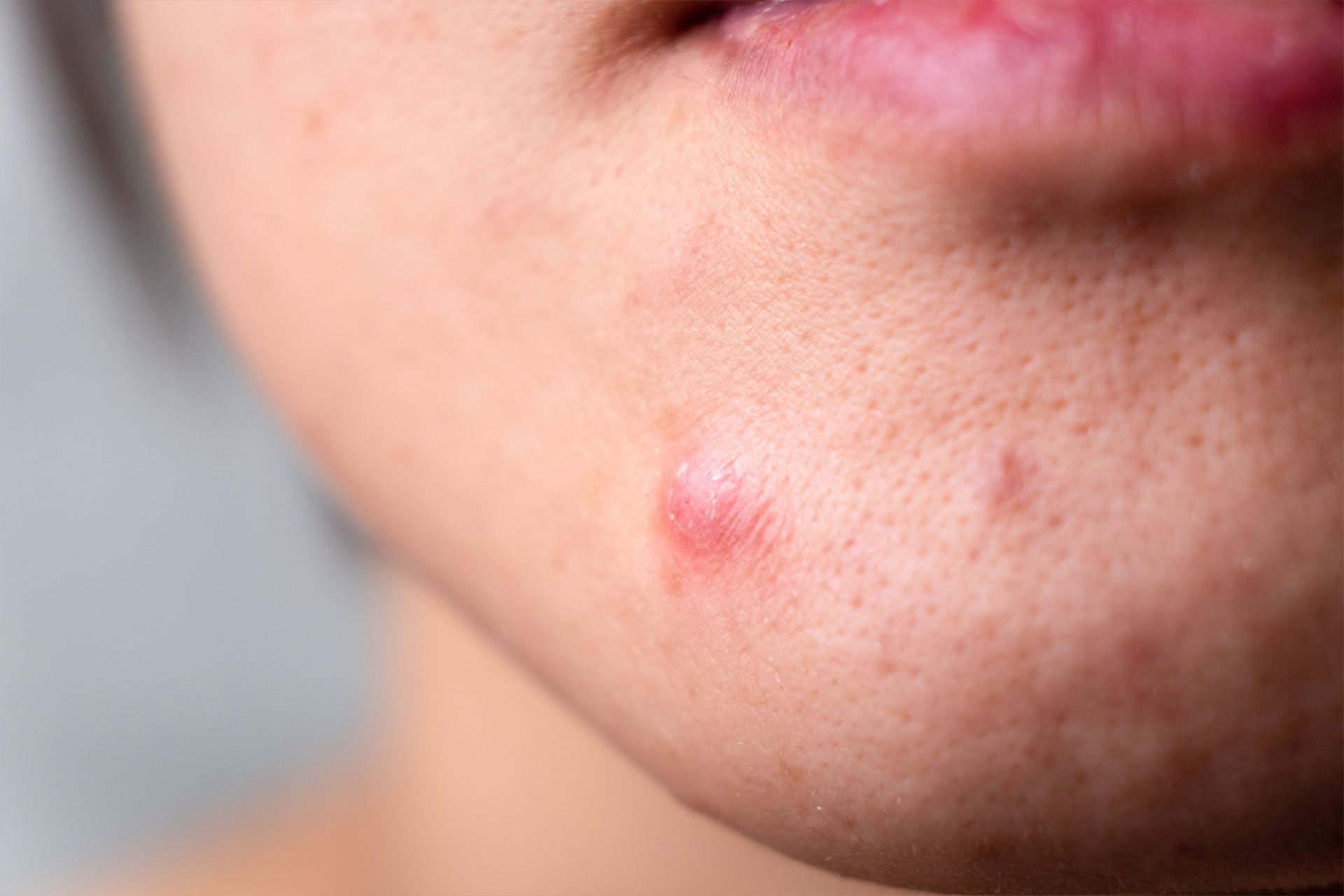
Acne may develop during adolescence as hormonal changes affect the skin. Breakouts commonly appear on the face, chest, or back and may range from mild to inflammatory lesions.
Keratosis Pilaris
Keratosis pilaris appears as small rough bumps on the arms, thighs, or cheeks. The condition is common in children and adolescents and often improves gradually with age.
Viral and Bacterial Skin Infections
Children frequently develop skin infections that may spread through contact or irritation of the skin.
Warts
Warts are common viral skin growths that often appear on the hands, fingers, or feet. They may gradually enlarge or spread and can be treated when bothersome.
Molluscum Contagiosum
Molluscum contagiosum is a common viral infection in children that causes small smooth bumps on the skin. The lesions may spread through skin-to-skin contact.
Impetigo
Impetigo is a superficial bacterial infection that often appears as crusted sores around the nose or mouth. The condition is common in young children and typically responds well to treatment.
Growths and Benign Skin Lesions
Children may also develop benign skin growths that require evaluation to confirm the diagnosis.
Moles
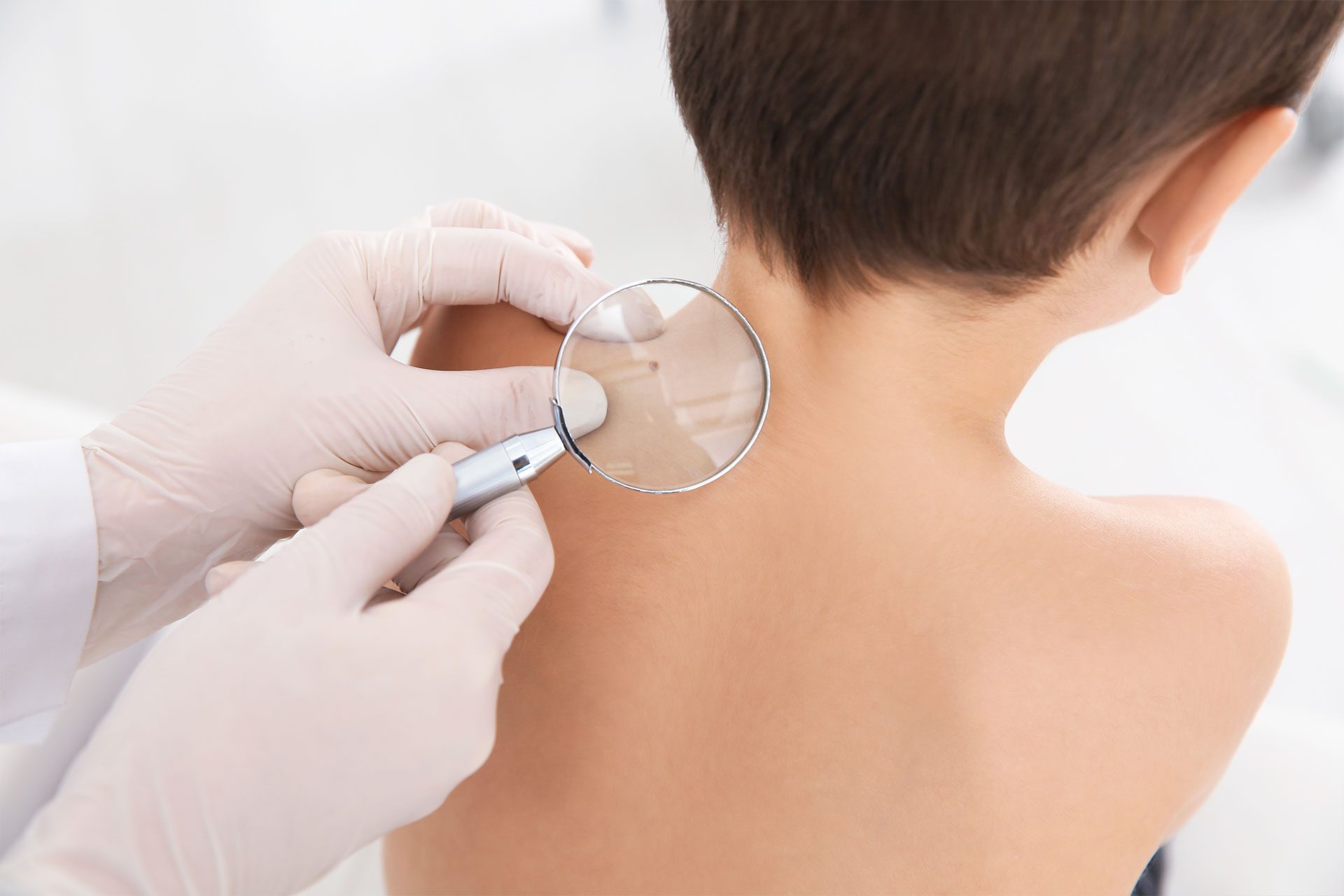
Moles may appear during childhood and adolescence and can vary in size, color, and shape. Monitoring helps identify changes that may require further evaluation.
Cysts
Skin cysts are closed sacs beneath the skin that may appear as smooth bumps and can gradually enlarge over time.
Comprehensive Pediatric Dermatologic Evaluation
Children’s skin conditions often present differently than adult skin diseases. Careful evaluation helps identify the cause of symptoms and guide appropriate treatment.
What Happens During a Visit
Review of medical history and current symptoms
Careful examination of the affected skin, scalp, or nails
Evaluation of birthmarks or skin growths when present
Dermoscopic examination when appropriate to evaluate certain skin lesions more closely
Skin biopsy only when necessary to help confirm a diagnosis
Discussion of treatment options and skin care guidance
This evaluation helps determine the most appropriate care plan for each child.
Treatment Approaches for Pediatric Skin Conditions
Treatment plans are tailored based on the child’s diagnosis, age, and severity of symptoms. Depending on the condition, treatment may include topical medications, oral therapies, or minor office-based procedures.
Care plans may also include guidance on gentle skin care routines and strategies to help prevent future flare-ups.
Dermatologic Care Through Childhood and Adolescence
Skin conditions often change as children grow. Ongoing dermatologic care helps monitor evolving skin concerns and address new conditions that may arise during childhood and adolescence.
During the adolescent years, common dermatologic concerns may include:
Acne management
Sports-related skin infections
Hair and scalp disorders
Mole monitoring in teenagers
Evaluation and treatment are tailored to the needs of adolescents to help manage these conditions and support healthy skin.
When to Seek Evaluation for Pediatric Skin Concerns
Evaluation may be helpful when a child develops:
Persistent or spreading rashes
Severe itching or skin irritation
Rapidly growing birthmarks or skin lesions
Warts or skin infections that continue to spread
Acne that does not improve with over-the-counter treatments
Schedule a Pediatric Dermatology Visit
Early evaluation and treatment can help relieve symptoms and support healthy skin during childhood.