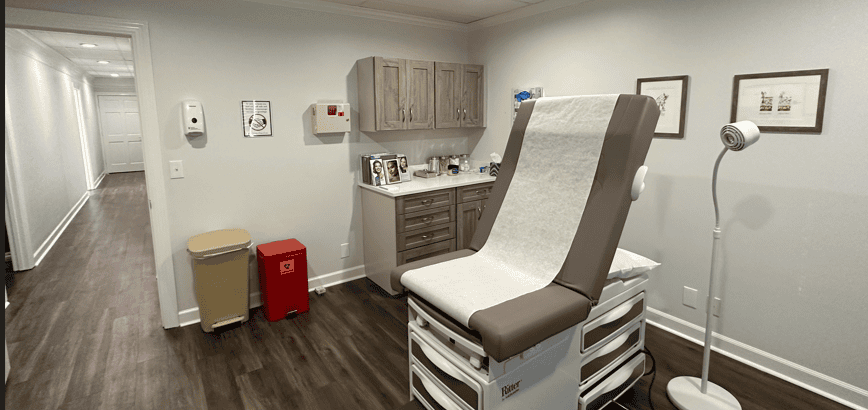
Comprehensive Diagnosis and Treatment ofSkin, Hair, and Nail Conditions
Skin conditions affecting the skin, hair, and nails are common and can occur at any age. Medical dermatology focuses on the evaluation and treatment of a wide range of conditions, including acne, eczema, psoriasis, rashes, infections, and hair loss. Careful dermatologic evaluation helps identify the cause of skin concerns and guide treatment plans designed to improve symptoms, restore skin health, and support long-term skin wellness.
Acne and other sebaceous gland conditions are common concerns for both adolescents and adults. Treatment focuses on reducing inflammation, improving the appearance of the skin, and helping prevent long-term scarring while supporting healthy skin over time.
Acne
Acne may appear as blackheads, whiteheads, inflammatory bumps, or deeper nodules and most often affects the face, chest, and back. Treatment is tailored to the severity of breakouts and focuses on controlling inflammation and preventing future lesions.
Hormonal Acne
Hormonal acne often develops along the lower face, jawline, and chin and may occur in a cyclical pattern. Treatment approaches are designed to help regulate persistent breakouts and improve overall skin clarity.
Rosacea
Rosacea is a chronic inflammatory condition that commonly affects the central face and may cause redness, flushing, visible blood vessels, and acne-like bumps. Treatment focuses on reducing inflammation and improving the appearance and comfort of the skin.
Sebaceous Hyperplasia
Sebaceous hyperplasia appears as small flesh-colored or yellowish bumps caused by enlarged oil glands. These benign lesions often develop on the forehead or cheeks and can be evaluated and treated when they become bothersome.
Perioral Dermatitis
Perioral dermatitis appears as small red bumps around the mouth, nose, or eyes. Treatment focuses on calming inflammation and gradually restoring the skin to a healthy, balanced state.
Eczema and Dermatitis
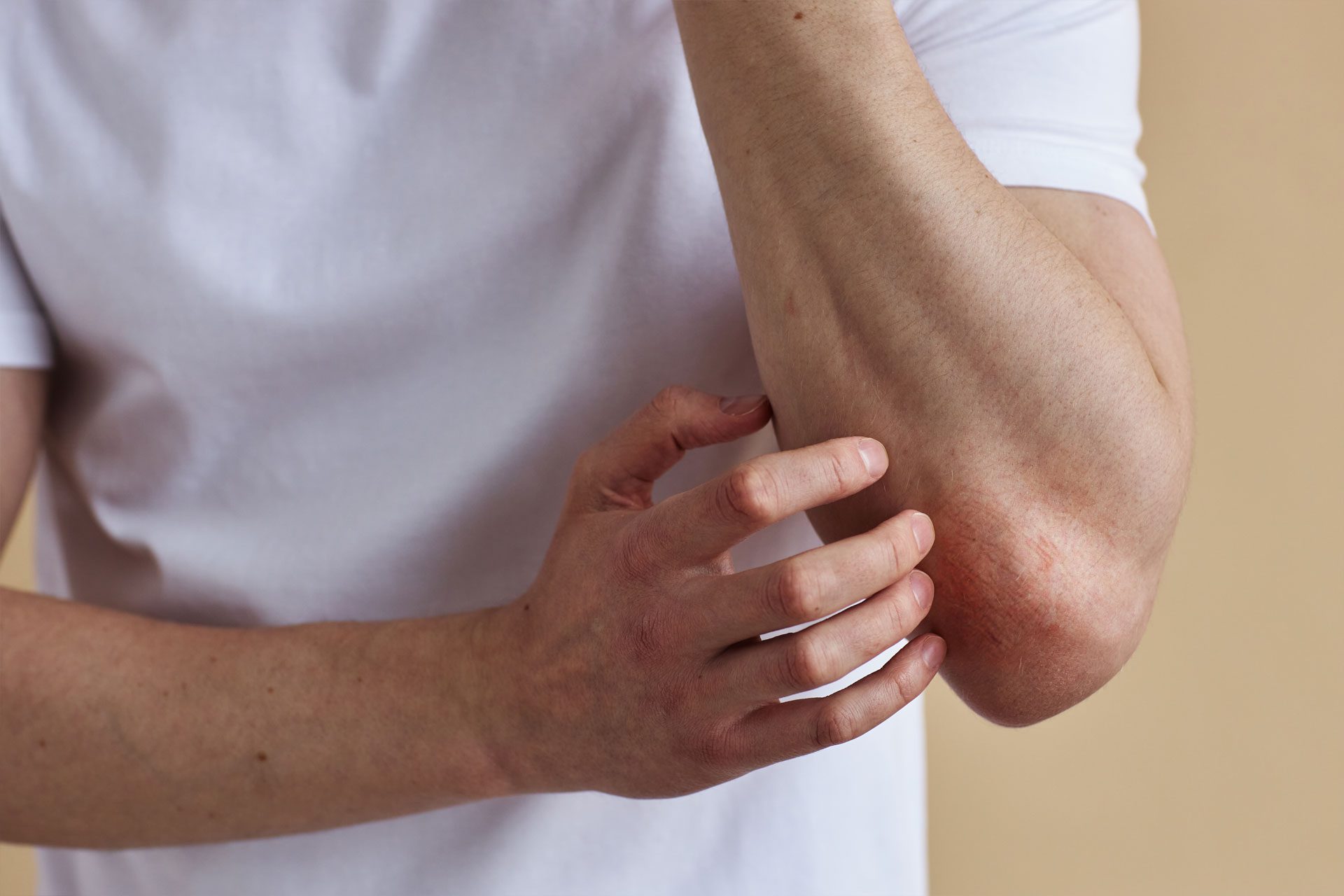
Eczema and dermatitis are inflammatory skin conditions that can cause itching, redness, scaling, and skin irritation. Treatment focuses on identifying possible triggers, calming inflammation, and helping restore the skin barrier to improve comfort and skin health.
Atopic Dermatitis
Atopic dermatitis is a chronic form of eczema that often begins in childhood but may continue into adulthood. It commonly causes dry, itchy, inflamed skin and may affect the face, arms, legs, or body.
Contact Dermatitis
Contact dermatitis occurs when the skin reacts to a substance that causes irritation or an allergic response. Identifying potential triggers helps guide treatment and prevent future flare-ups.
Allergic Contact Dermatitis
Allergic contact dermatitis develops when the immune system reacts to substances such as fragrances, metals, or preservatives. Symptoms may appear hours to days after exposure.
Irritant Dermatitis
Irritant dermatitis occurs when repeated exposure to soaps, detergents, or chemicals disrupts the skin barrier and causes irritation.
Hand Dermatitis
Hand dermatitis commonly causes dryness, redness, scaling, and cracking of the hands and may develop from frequent hand washing, occupational exposures, or underlying eczema.
Psoriasis and Immune-Mediated Skin Diseases
Certain skin conditions develop when the immune system contributes to inflammation within the skin. These conditions may cause persistent rashes, scaling, discoloration, or changes in skin texture. Evaluation focuses on identifying the condition and developing treatment strategies to control inflammation and improve skin comfort and appearance.
Psoriasis
Psoriasis is a chronic inflammatory skin condition that often appears as well-defined red plaques with overlying scale. It commonly affects the scalp, elbows, knees, and lower back. Treatment focuses on reducing inflammation and improving symptoms.
Lichen Planus
Lichen planus may appear as flat-topped, purplish bumps on the skin or as white patches inside the mouth. It may also affect the scalp or nails. Management is directed at reducing inflammation and relieving symptoms.
Lichen Sclerosis
Lichen sclerosis most commonly affects genital skin and may cause itching, thinning of the skin, or discomfort. Early evaluation and treatment are important to improve symptoms and prevent progression.
Vitiligo
Vitiligo causes areas of the skin to lose pigment, resulting in well-defined white patches. The condition may gradually progress over time. Treatment options focus on stabilizing the condition and improving pigment changes when possible.
Hair and Scalp Disorders
Hair and scalp conditions can affect individuals of all ages and may present with hair thinning, increased shedding, scalp irritation, or changes in hair growth. Careful evaluation helps determine the underlying cause and guide appropriate treatment.
Hair Loss
Hair loss may occur gradually or suddenly and may be related to genetic factors, medical conditions, medications, or stress. Evaluation helps determine the cause and guide treatment.
Androgenetic Alopecia
Androgenetic alopecia, commonly referred to as pattern hair loss, is the most common cause of hair thinning and typically develops gradually over time.
Telogen Effluvium
Telogen effluvium is a form of temporary hair shedding that may occur after illness, stress, hormonal changes, or other triggers. Hair growth often improves once the underlying cause is addressed.
Alopecia Areata
Alopecia areata is an autoimmune condition that causes patchy hair loss on the scalp or other areas of the body. The course of the condition may vary, and treatment focuses on promoting regrowth.
Seborrheic Dermatitis
Seborrheic dermatitis is a common inflammatory condition of the scalp that may cause redness, itching, and flaking. Treatment helps control symptoms and maintain scalp health.
Growths and Benign Skin Lesions
Many individuals develop benign skin growths over time. These lesions are typically noncancerous but may change in appearance or become irritated. Evaluation helps confirm the diagnosis and determine whether treatment is appropriate.
Moles
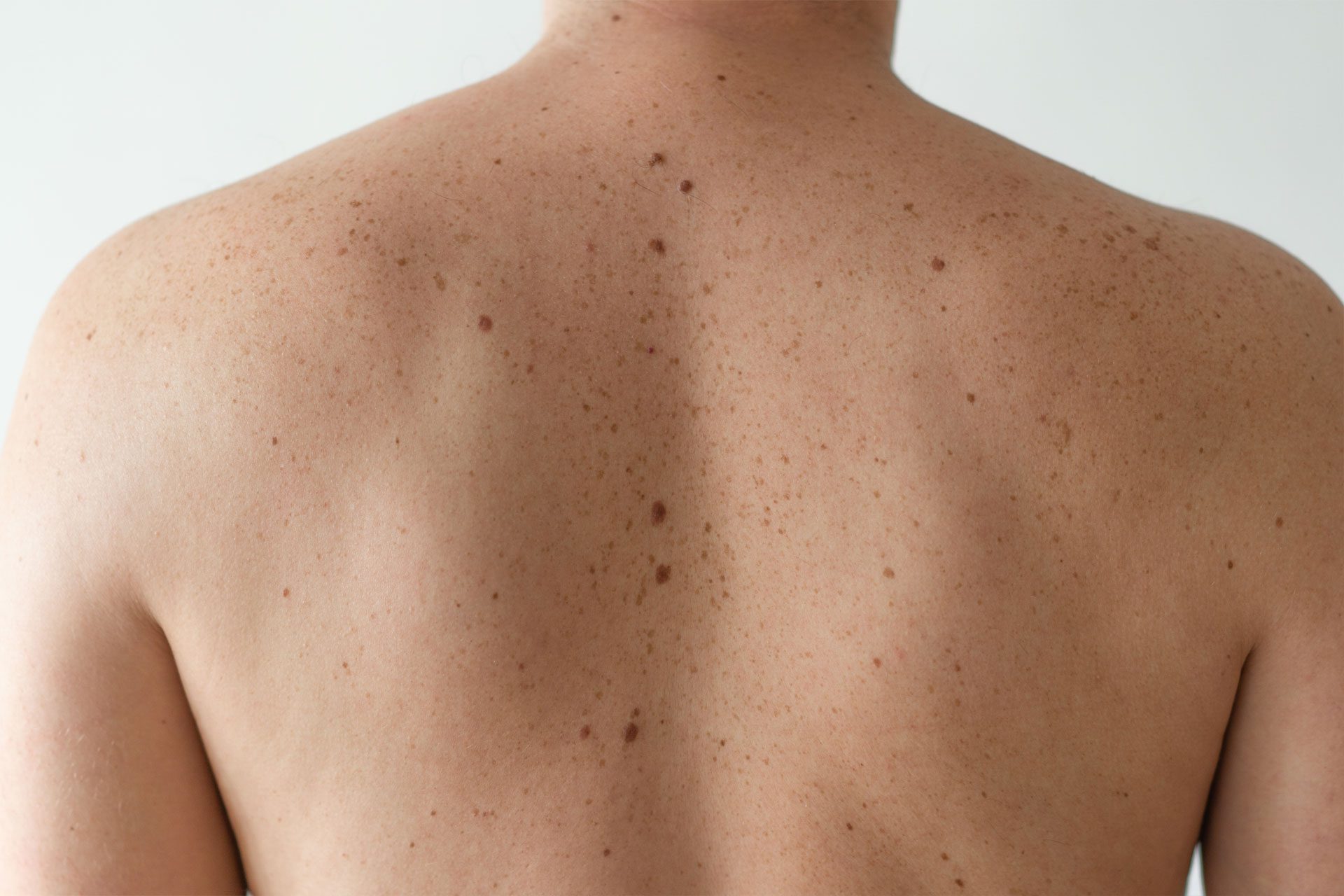
Moles are common skin growths that may vary in size, color, and shape. Monitoring helps identify changes that may require further evaluation.
Skin Tags
Skin tags are small, soft growths that commonly occur in areas of friction such as the neck, underarms, or groin.
Seborrheic Keratoses
Seborrheic keratoses are common benign growths that often appear as “stuck-on” lesions and may vary in color and texture.
Cysts
Cysts are closed sacs beneath the skin that may gradually enlarge or become inflamed.
Lipomas
Lipomas are benign fatty growths that develop beneath the skin and typically grow slowly over time.
Infections of the Skin
Skin infections may be caused by fungi, viruses, or bacteria and can lead to redness, irritation, itching, or changes in the skin. Treatment focuses on clearing the infection and restoring healthy skin.
Fungal Infections
Fungal infections may affect the skin, hair, or nails and commonly present as scaly or itchy patches.
Warts
Warts are common viral growths that may appear on the hands, feet, or other areas of the skin and may spread over time.
Molluscum Contagiosum
Molluscum contagiosum is a viral infection that causes small, smooth bumps on the skin and may spread through contact.
Bacterial Infections
Bacterial infections of the skin may present as redness, swelling, or areas of tenderness and may require treatment to prevent progression.
Comprehensive Dermatologic Evaluation
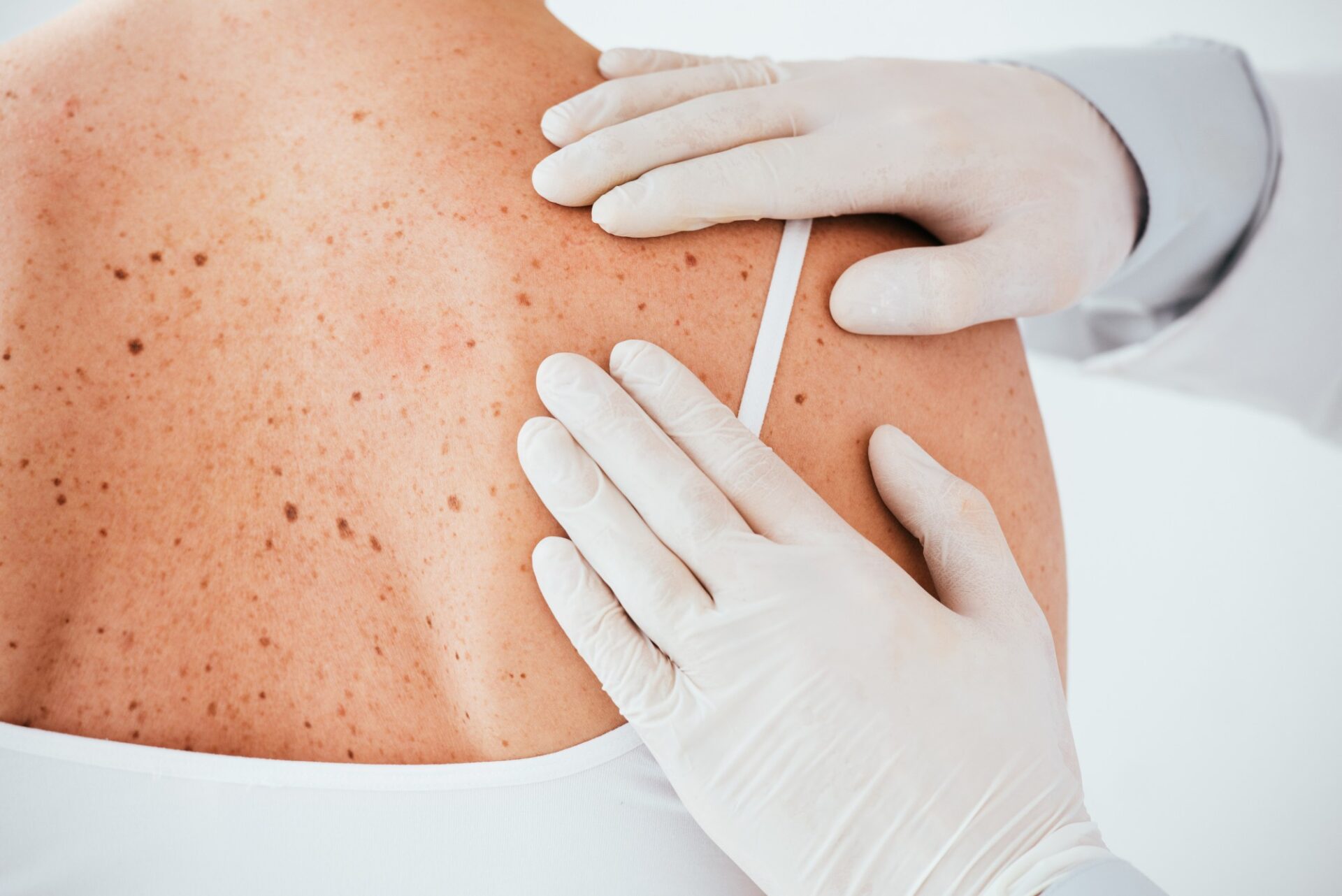
A comprehensive dermatologic evaluation allows skin concerns to be carefully assessed so that an accurate diagnosis can be made. Skin conditions can present in many different ways, and a structured evaluation helps determine the underlying cause.
What Happens During a Visit
A dermatologic visit typically includes:
Detailed medical history and review of symptoms
Focused examination of the skin, hair, and nails
Dermoscopic evaluation when needed to assess specific lesions
Skin biopsy when the diagnosis is uncertain or requires confirmation
This evaluation guides appropriate diagnosis and treatment planning.
Evidence-Based Treatment Plans
Dermatologic conditions vary significantly between individuals. Treatment plans are customized based on the diagnosis, severity of disease, patient history, prior treatments, and lifestyle factors.
Treatment strategies may include:
Topical therapies
Oral medications
Procedural treatments
Follow-up visits allow response to treatment to be monitored and adjustments made when needed.
Dermatologic Procedures
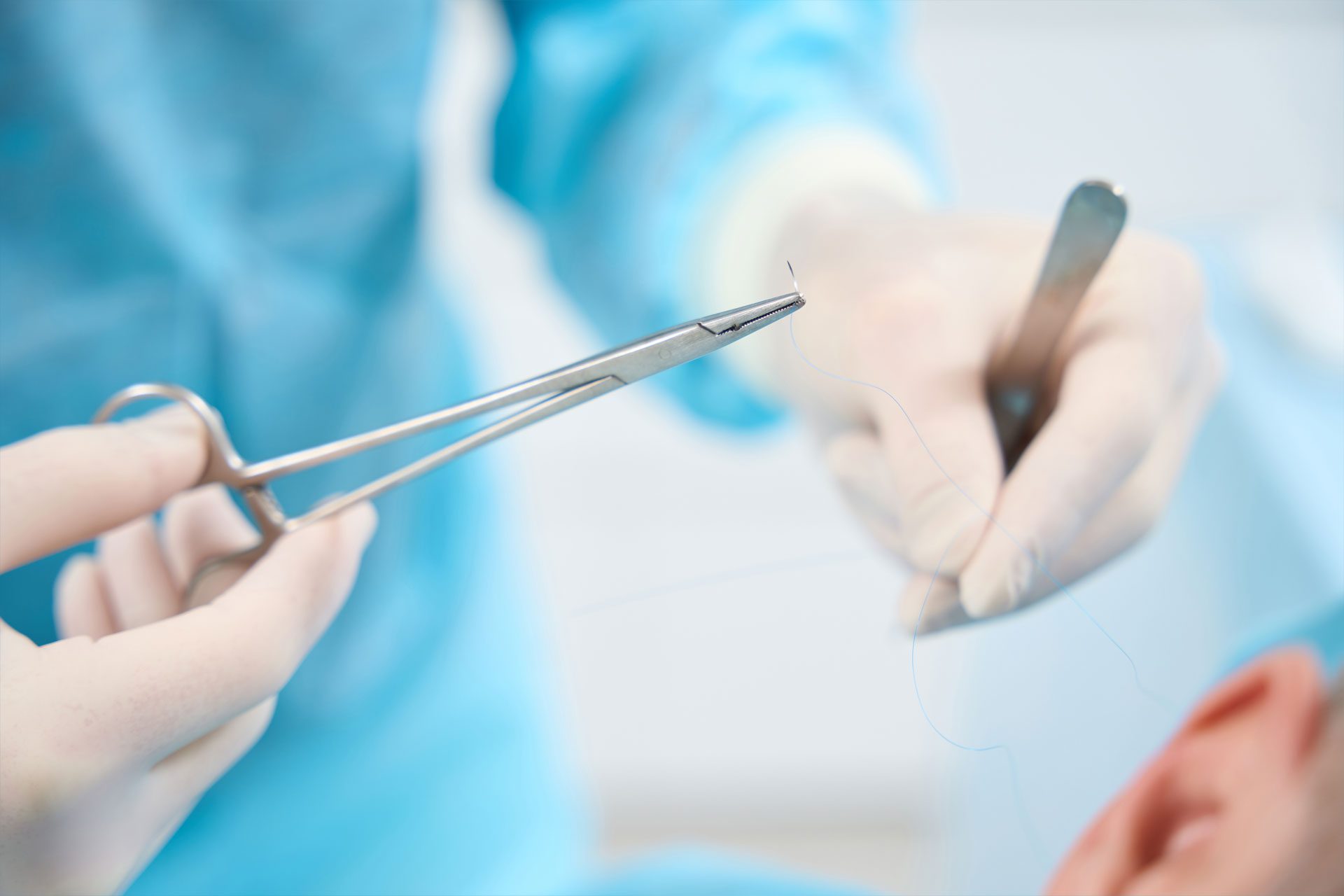
Office-based dermatologic procedures may be performed when needed for diagnosis or treatment of skin conditions.
Procedures may include:
Skin biopsies
Cyst removal
Wart treatment
Cryotherapy
Excision of benign lesions
These procedures are typically performed using local anesthesia in the office setting.
Dermatology for All Ages
Dermatologic care is provided across all stages of life. Skin conditions may vary depending on age, and treatment approaches are tailored accordingly.
Care may include:
Pediatric dermatology
Adolescent acne management
Adult skin disease
Geriatric dermatology
When to Seek Evaluation for Skin Concerns
Evaluation may be helpful for a variety of skin concerns, including:
Persistent rash
Changing moles or skin lesions
Acne that does not improve with treatment
Unexplained hair loss
Itchy or painful skin lesions
Early evaluation allows for accurate diagnosis and appropriate treatment.
Schedule a Dermatology Consultation
Early diagnosis and treatment of skin conditions can significantly improve outcomes and quality of life.