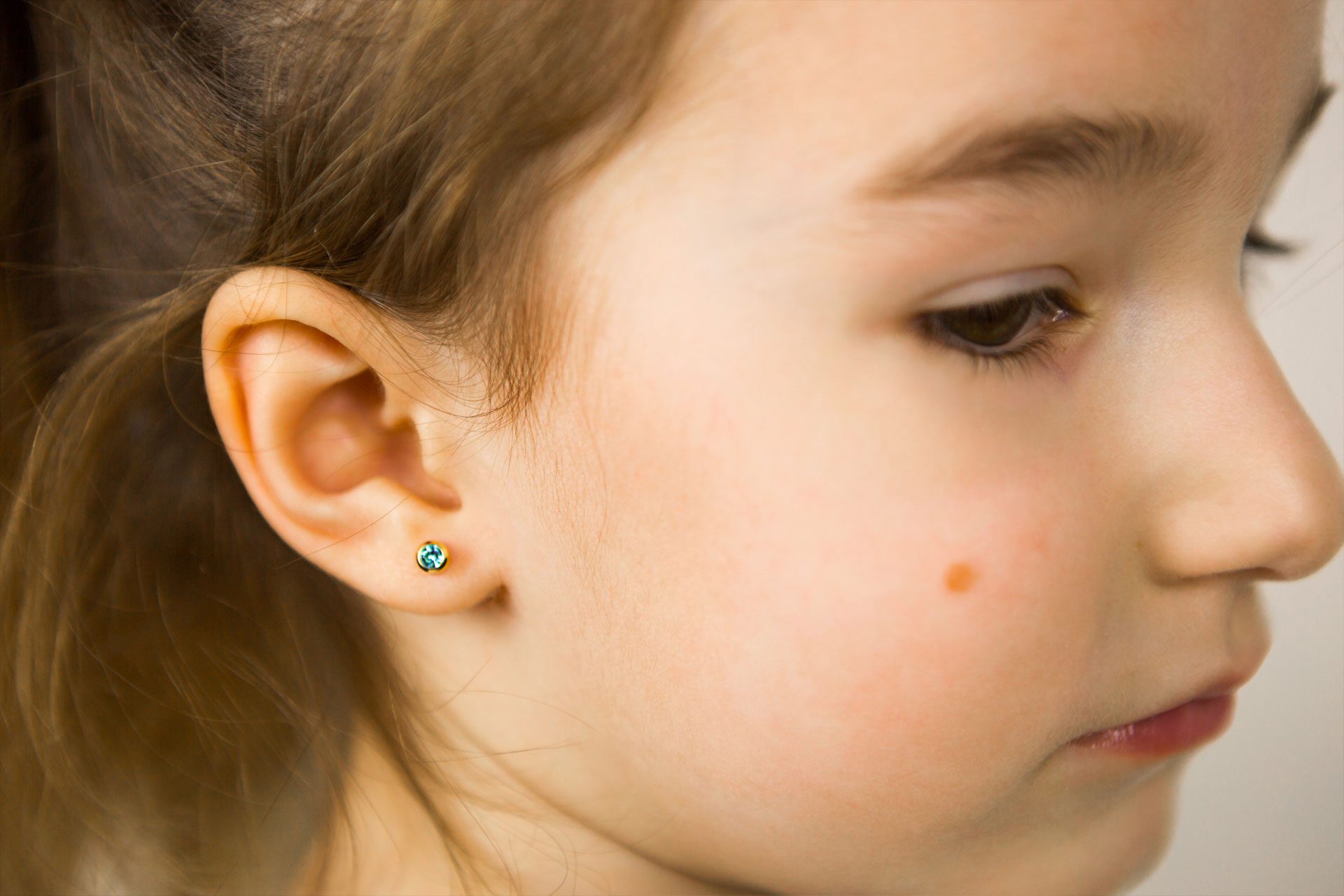
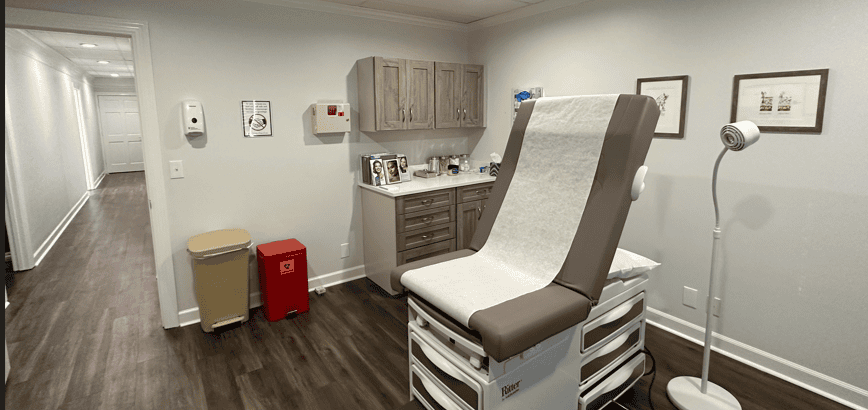
Pediatric Comprehensive Total Body Skin Examination
A Careful and Comfortable Evaluation ofSkin, Moles, and Growths in Children
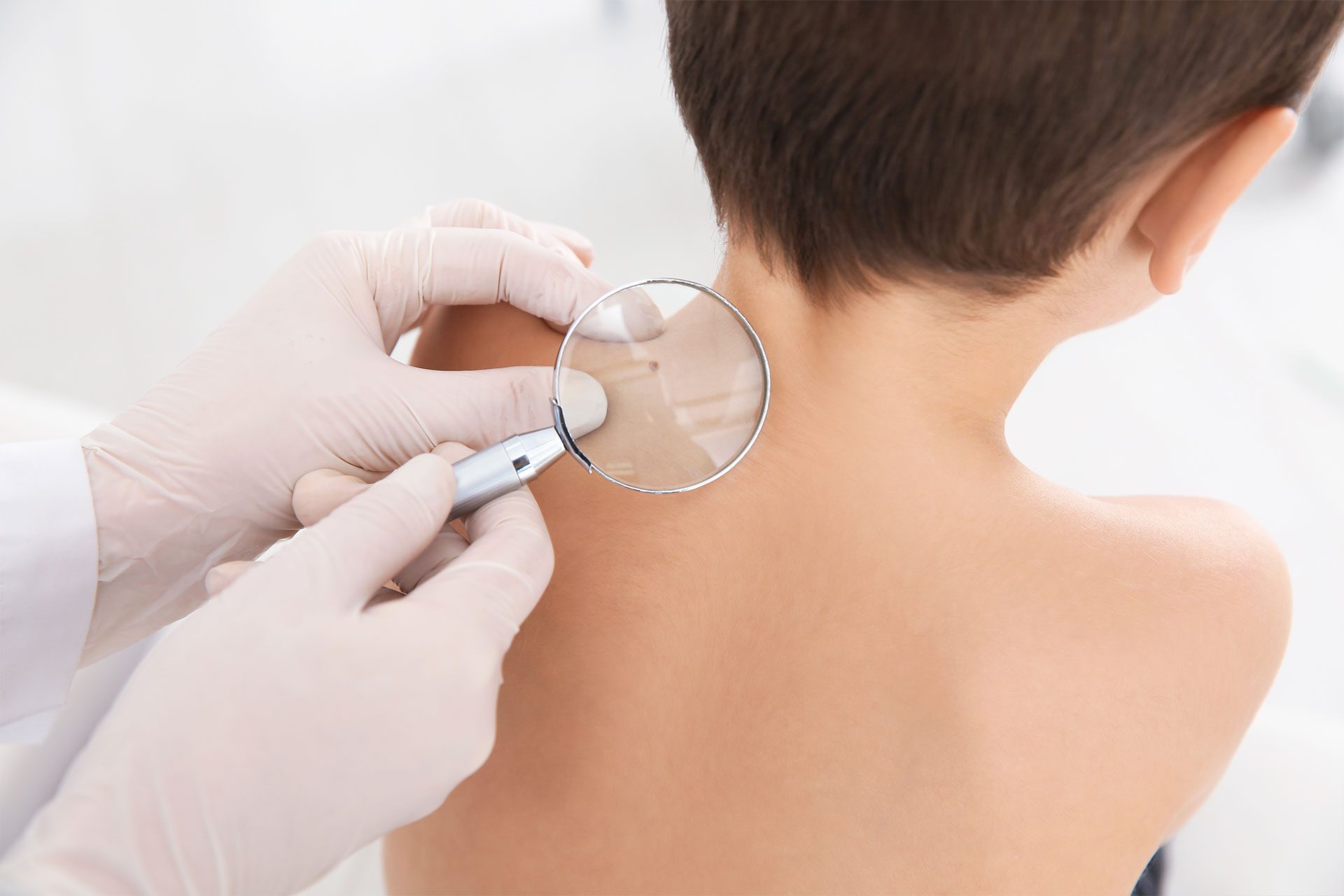
A pediatric total body skin examination is a thorough evaluation of the skin performed to assess moles, birthmarks, growths, and common skin conditions in children and adolescents. These examinations help ensure that the skin is developing normally and allow for early identification of any changes that may require monitoring or treatment. The goal of this evaluation is to support healthy skin development and provide reassurance for both patients and parents.
Skin examinations in children are primarily focused on evaluating:
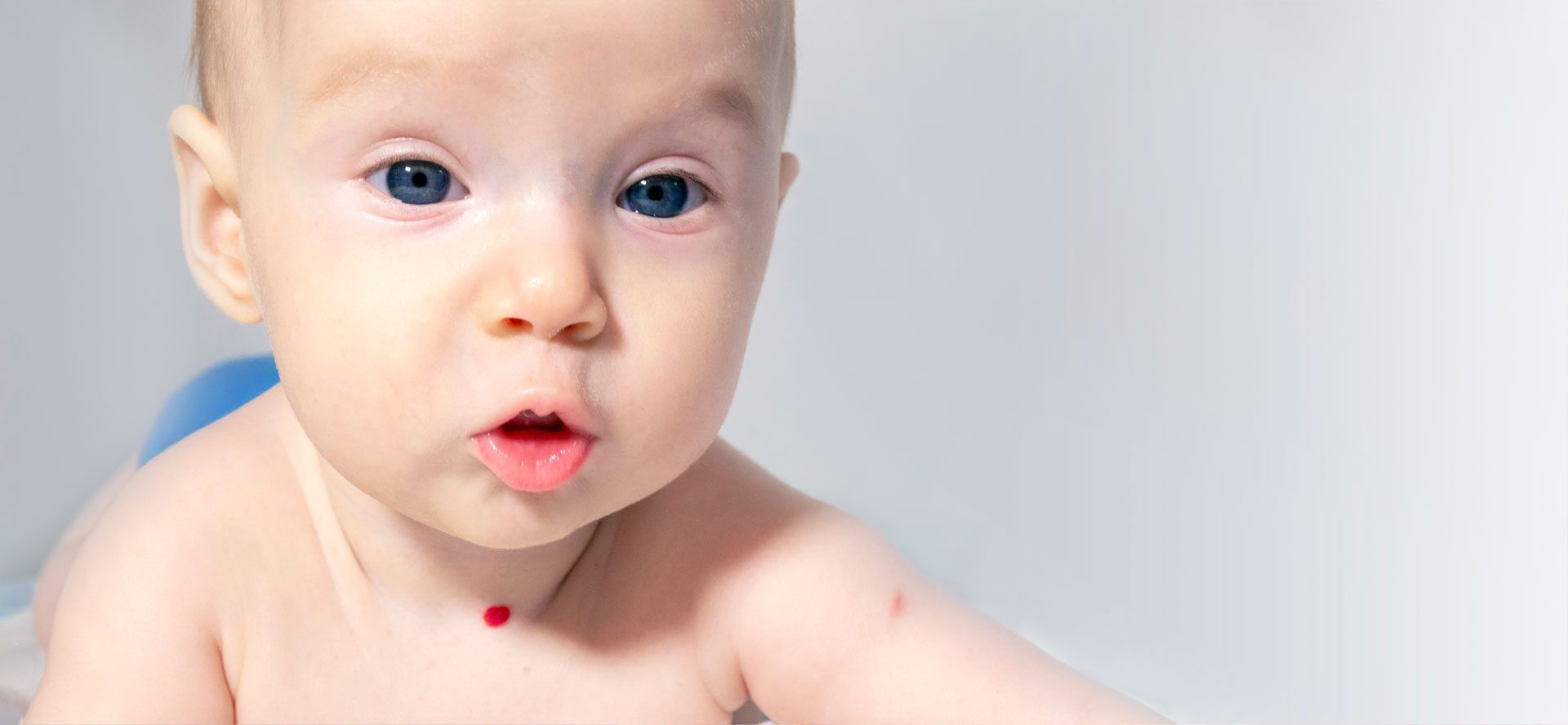
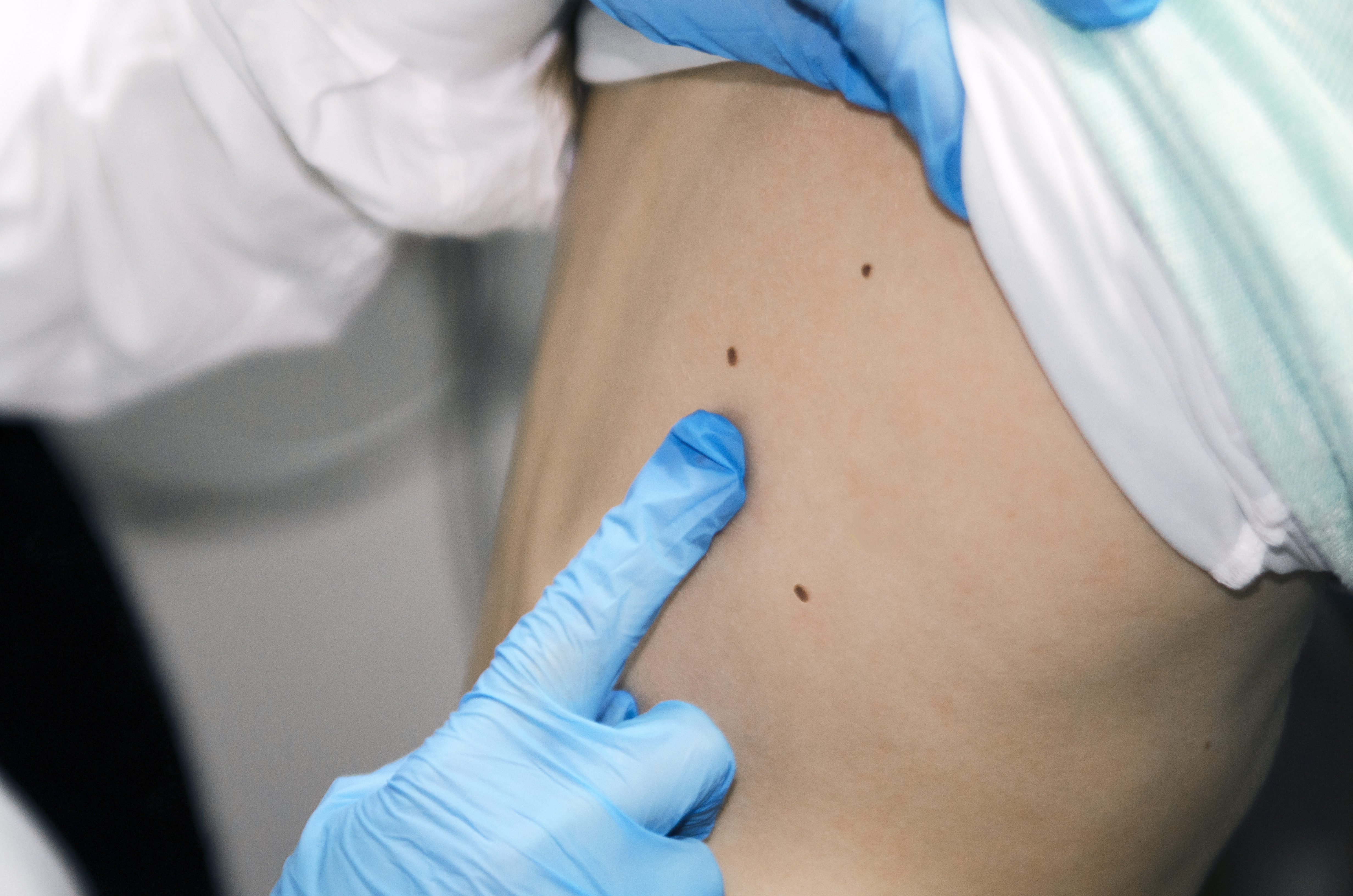
Moles and birthmarks
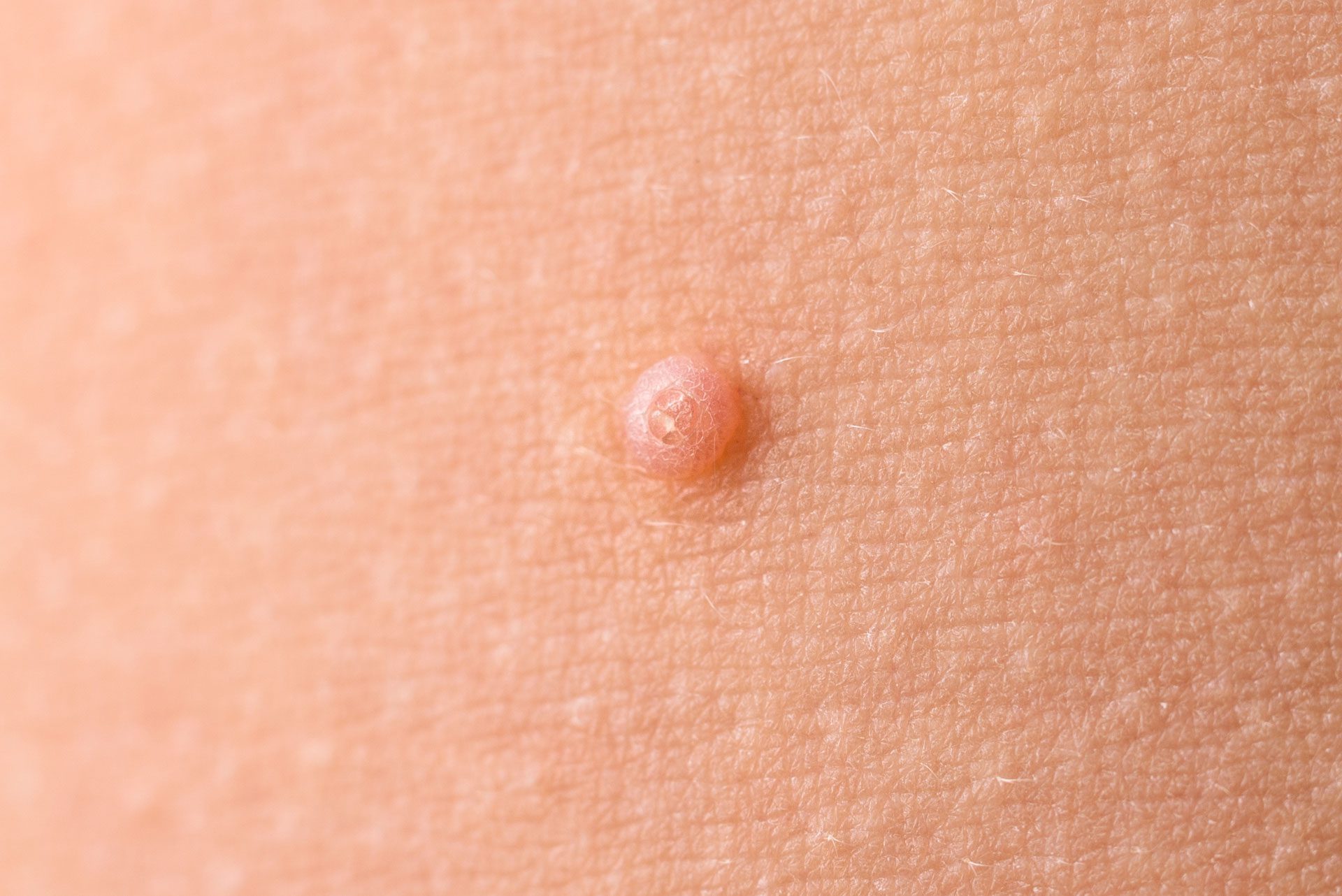
New or changing skin growths
Common pediatric skin conditions
Areas of irritation, rashes, or discoloration
While skin cancer is uncommon in children, early evaluation of unusual or changing lesions is important. These visits also help establish a baseline for future skin monitoring.
Who Should Have a Pediatric Skin Examination
Skin examinations may be helpful for children and adolescents with:
Moles that appear different from others
New or changing skin lesions
Large or irregular birthmarks
Family history of atypical moles or melanoma
Persistent rashes or skin concerns
Examinations may also be performed as part of routine dermatologic care.
What to Expect During a Pediatric Skin Examination
A pediatric skin examination is designed to be gentle, efficient, and age-appropriate, with attention to patient comfort throughout the visit.
Medical History
The visit begins with a discussion with the parent and patient, including:
Any new or changing moles or growths
History of skin conditions or rashes
Family history of skin concerns
Specific areas of concern
Skin Evaluation
A head-to-toe examination of the skin is performed, including:
Scalp
Face and ears
Neck and chest
Arms and hands
Abdomen and back
Legs and feet
This allows for evaluation of areas that may not be easily visible at home.
Dermoscopic Evaluation
When appropriate, dermoscopy may be used to examine moles or lesions more closely. This helps assess pigment patterns and structure in a non-invasive way.
Biopsy When Necessary
In most cases, examination alone is sufficient. If a lesion requires further evaluation, a biopsy may be recommended. This is performed only when necessary and with careful attention to comfort.
Addressing Comfort and Reassurance
Pediatric skin examinations are performed with a strong emphasis on comfort and reassurance.
Families can expect:
Clear, age-appropriate explanations
A calm and supportive environment
Flexibility based on the child’s comfort level
Use of gowns or draping when appropriate
Parents are encouraged to remain present during the examination.
What Happens After the Examination
At the conclusion of the visit:
Findings are reviewed with the parent and patient
Any moles or lesions requiring monitoring are discussed
Recommendations for follow-up are provided
Guidance on skin care and sun protection is given
In many cases, reassurance is all that is needed.
Monitoring Moles and Skin Changes
Children and adolescents may develop new moles over time. Monitoring focuses on:
Changes in size, shape, or color
Moles that look different from others
New or evolving skin lesions
Parents are encouraged to bring any concerning changes to attention.
Skin Health and Sun Protection
Establishing good skin habits early is important.
Recommendations include:
Regular use of sunscreen
Protective clothing when appropriate
Avoidance of excessive sun exposure
These measures help support long-term skin health.
When to Seek Evaluation
Evaluation is recommended for:
A mole that is changing or looks different
A new or unusual skin growth
A persistent rash or area of irritation
Any skin concern that causes uncertainty
Schedule a Pediatric Skin Examination
Pediatric skin examinations provide reassurance, early evaluation of skin concerns, and support for healthy skin development.